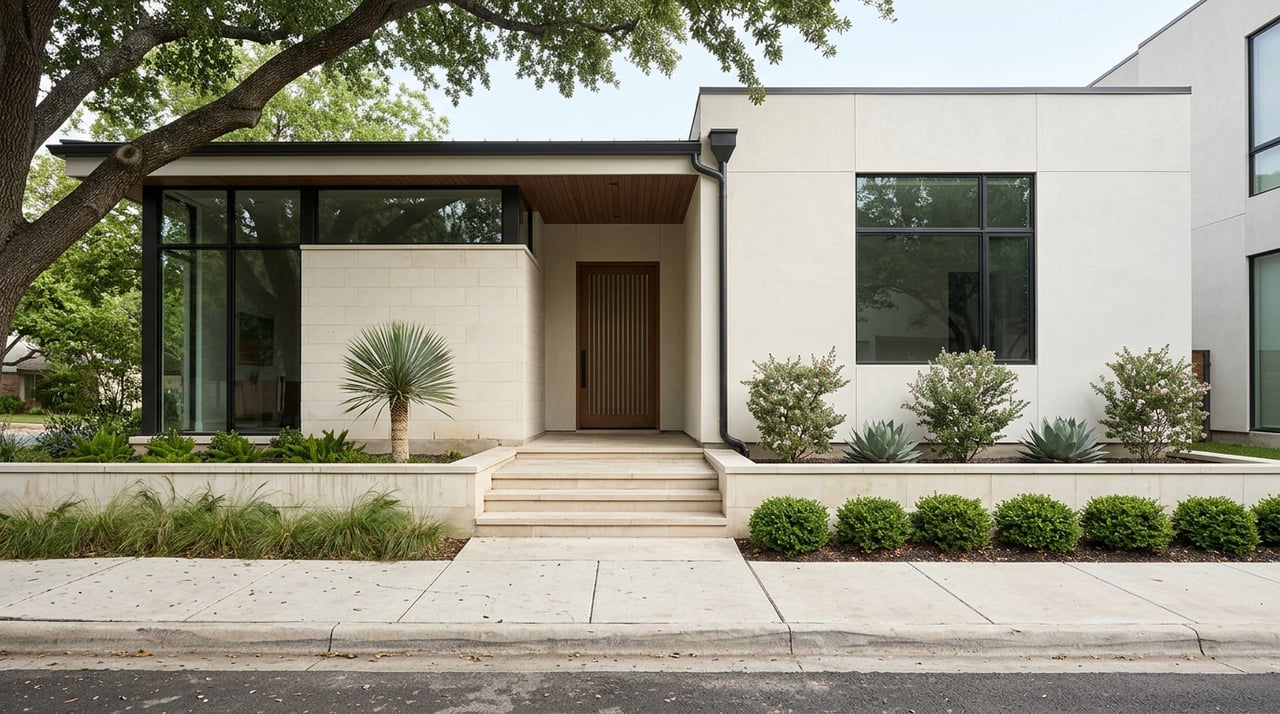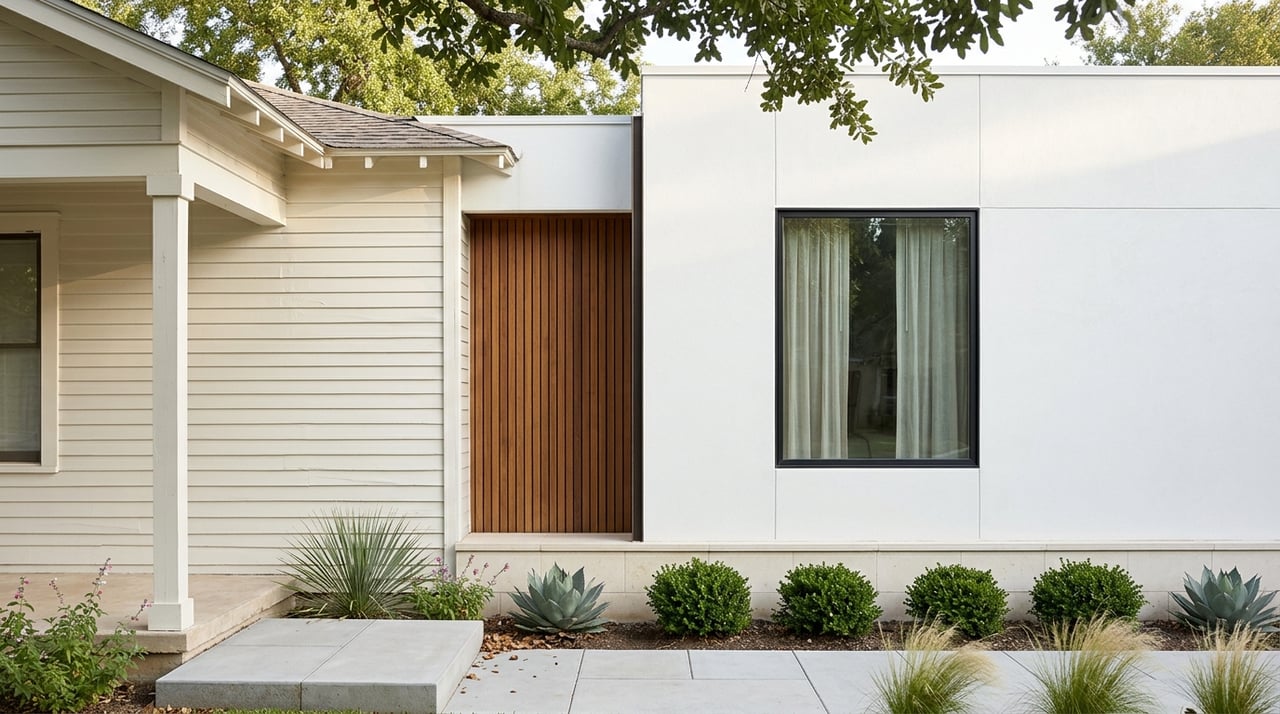
If you are weighing a charming cottage against a polished newer home in Clarksville, you are really asking a bigger question: what kind of architecture holds value best here? In one of central Austin’s most design-aware neighborhoods, buyers do not look at square footage alone. They look at how a home fits the street, respects its setting, and solves modern living needs. That is what this guide will help you understand. Let’s dive in.
Why Clarksville’s architecture matters
Clarksville is not just another close-in Austin neighborhood with a mix of old and new homes. Its identity is tied to a deeper story. After emancipation in 1865, Governor Elisha Pease gave land to formerly enslaved workers, and Charles Clark later bought land and helped create the community that became Clarksville.
That history still shapes how people experience the neighborhood today. The Clarksville Historic District was listed on the National Register in 1976, and the Texas Historical Commission identifies Black heritage, settlement, architecture, and social history as core reasons for its significance. In practical terms, that gives architectural character more weight here than it might carry in a less historically layered market.
What buyers mean by a Clarksville bungalow
When people talk about an original Austin bungalow, they usually mean a home with a low, modest profile and strong street presence. Typical features include one to one-and-a-half stories, front- or side-gabled roofs, deep eaves, partial-width porches, exposed rafter ends, and wood siding or similar traditional materials.
In Clarksville, that language often overlaps with early cottages that help define the neighborhood’s older fabric. A documented 1912 Clarksville house, for example, was described as a gable-roofed cottage with a full-width front porch, standing-seam metal roofing, board-and-batten siding, and tall windows. Details like these are part of what gives the neighborhood its recognizable rhythm from the sidewalk.
For many buyers, these homes offer something hard to replicate. They can feel intimate, rooted, and distinctly local. That feeling often becomes part of the value equation, especially when the original front-facing character remains intact.
How modern builds fit Clarksville
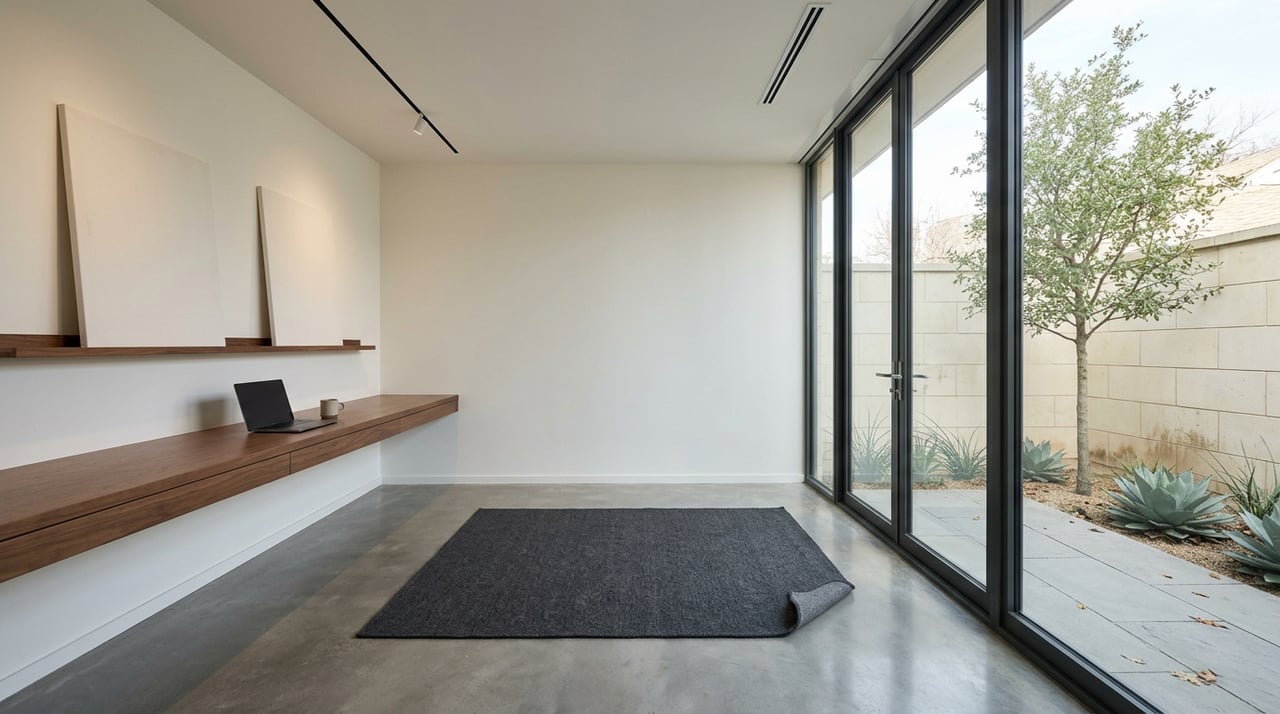
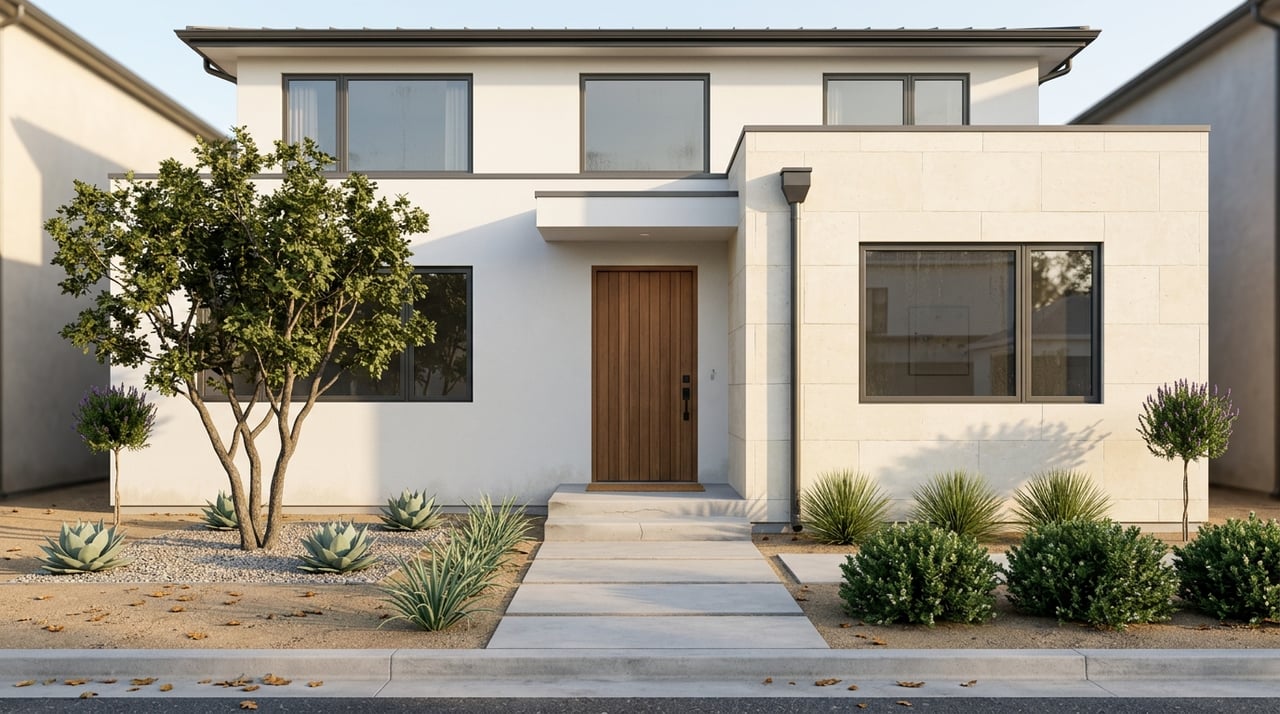
Modern architecture can work well in Clarksville, but not simply because it is new. The City of Austin’s Historic Design Standards say new construction should be compatible with nearby historic buildings in scale, massing, proportions, materials, and features while still reading clearly as new work.
That distinction matters. A successful modern home in Clarksville is not usually a replica of an old cottage, and it is not a design that ignores the block around it. It tends to feel considered, with proportions and materials that relate to the historic setting even when the style is unmistakably contemporary.
A 2014 Clarksville permit case makes this idea concrete. City staff supported a replacement house because its size, scale, massing, and materials were compatible with the district, and they specifically recommended wood-framed windows over aluminum to reduce visual interruption. In other words, design choices at the detail level can influence how well a home is received.
The real value driver is coherence
In Clarksville, value is often shaped less by age alone and more by coherence. That means the relationship between the original street-facing structure, the lot itself, and any added square footage matters more than a simple old-versus-new comparison.
A preserved front elevation can support a home’s appeal because it keeps the house connected to the neighborhood’s historic cadence. A useful lot can add flexibility for expansion, outdoor living, or a more thoughtful site plan. And a well-executed addition can strengthen value if it feels subordinate to the original home rather than overpowering it.
For buyers, that often translates into a simple test: does the home still read as part of Clarksville’s older architectural fabric while offering the layout and livability you want now? For sellers, it means the pricing story often depends on how gracefully the home balances those two goals.
What recent sales suggest
Clarksville sales show a wide spread, and that spread tells an important story. According to a February 2026 Redfin snapshot, the neighborhood’s median sale price was $760,000, down 25.9% year over year. But only one home sold in that month, so that figure is best viewed as directional, not conclusive.
The more useful signal comes from individual sales. A small 684-square-foot house at 1605 W. 11th sold for $500,000 on a 2,073-square-foot lot and was described as a redevelopment opportunity. That points to a situation where land utility likely played a major role in value.
By contrast, 1712 W. 10th sold for $1.399 million with 1,838 square feet, a 6,067-square-foot lot, and a 2016 contemporary addition. The listing noted that the addition was designed to be compatible with the property’s size, scale, color, material, and character. That is a clear example of modern square footage becoming part of the value story rather than working against it.
Then there is 1620 W. 10th, which sold for $1.695 million with 2,643 square feet on a 5,793-square-foot lot after a to-the-studs remodel and addition. Taken together, these examples suggest that Clarksville can support very different price points depending on lot utility, design quality, and how the finished product presents.
Why lot size still matters
Architecture may shape perception, but lot utility still matters. In a neighborhood like Clarksville, a small or constrained lot can limit expansion options and shift value toward what a buyer can do next rather than what exists today.
That is why two homes with similar age or style can trade very differently. A smaller home on a tighter lot may function more as a land-value opportunity, while a larger lot can create room for careful expansion, outdoor amenities, or a custom rebuild that fits the setting more effectively.
For design-minded buyers, this can be an important lens. A house may be attractive on first impression, but the lot determines how much flexibility you really have over time.
Renovation rules shape outcomes
One common point of confusion is whether National Register status blocks renovation. The answer is no, not by itself. The Texas Historical Commission states that National Register listing alone does not impose restrictions on private owners.
However, in Austin, contributing properties in National Register districts require historic review for exterior alterations, additions, permanent site work, and stand-alone new construction. The city also directs applicants to its Historic Design Standards. So while renovation is possible, the path is shaped by local review and compatibility standards.
That review process can have a real effect on value because it influences what can be built and how it should look. For owners considering changes, the design approach is not just an aesthetic question. It is part of the property’s market strategy.
What tends to hold value best
The homes that often make the strongest impression in Clarksville share a few traits. They preserve or respectfully interpret the neighborhood’s street-facing character, use materials and proportions that feel compatible, and add livable space in a way that does not overwhelm the original structure.
This does not mean every buyer wants the same thing. Some will favor a compact, authentic cottage with original texture and modest scale. Others will pay more for a gallery-ready renovation or a carefully composed modern build that feels crisp, current, and still grounded in the block around it.
The common thread is design discipline. In Clarksville, buyers often respond to homes that feel intentional rather than merely updated.
What buyers should watch for
If you are buying in Clarksville, it helps to look beyond finishes and ask a few sharper questions.
- Does the front elevation still feel connected to the neighborhood’s historic streetscape?
- If the home has an addition, does it remain subordinate to the original structure?
- Are the scale, roofline, and massing comfortable within the block?
- Is the lot large enough to support the way you want to live now and later?
- If changes were made, do they appear thoughtful and well integrated?
Those questions can help you separate homes that simply look good online from homes that may hold stronger long-term appeal in this specific setting.
What sellers should keep in mind
If you are selling a Clarksville home, your value story should be more curated than generic. Buyers here often notice design continuity, not just upgrades. The most effective presentation usually clarifies how the home balances authenticity, compatibility, and modern livability.
That may mean highlighting original architectural elements, explaining the intent behind an addition, or showing how the site supports future flexibility. In a neighborhood with this much architectural nuance, the market often rewards homes that are positioned with care.
For a property with historic frontage, contemporary improvements, or redevelopment potential, the right pricing and presentation strategy starts with understanding exactly which of those attributes the market is most likely to prize.
Clarksville does not ask you to choose between old and new in a simplistic way. It asks whether a home feels rooted, usable, and thoughtfully resolved. When architecture, lot utility, and design quality work together, that is often where value is created.
If you are considering a purchase, planning a renovation, or preparing to sell in Clarksville, a more nuanced read of the property can make all the difference. For a discreet, design-aware perspective on how your home may be positioned in today’s market, connect with Michael Reisor.
FAQs
How do historic bungalows affect value in Clarksville?
- Historic bungalows can support value in Clarksville when they retain recognizable street-facing character such as modest scale, porch presence, traditional materials, and rooflines that fit the neighborhood’s older fabric.
Do modern homes fit the Clarksville neighborhood?
- Yes. In Clarksville, modern homes can fit well when they are compatible with nearby historic buildings in scale, massing, proportions, materials, and features while still reading clearly as new construction.
Does National Register status stop renovations in Clarksville?
- No. National Register listing alone does not stop renovations, but contributing properties in Austin’s National Register districts are still subject to local historic review for certain exterior changes, additions, site work, and new construction.
Is land value important for Clarksville real estate?
- Yes. In Clarksville, land can be a major value driver, especially for small lots, constrained sites, or houses described as redevelopment opportunities.
What adds the most value to a Clarksville home?
- In Clarksville, value is often supported by a combination of preserved street character, useful lot size, and added square footage that is thoughtfully designed and compatible with the original home.
Should Clarksville sellers market a home as historic or modern?
- Sellers usually benefit most from showing how a Clarksville home balances architectural character, compatibility with the neighborhood, and modern livability rather than relying on a simple historic-versus-modern label.