If you are thinking about renovating a home in Zilker, the biggest question is not simply what you can change. It is whether the house can be improved in a way that still feels true to its setting. In a premium Austin neighborhood where design, scale, and site conditions all matter, thoughtful evaluation can save you from expensive missteps and help you see real potential. Let’s dive in.
Why Zilker Requires A Different Lens
Zilker is shaped by more than home prices alone. The neighborhood sits near major civic amenities including Zilker Metropolitan Park, Barton Springs Pool, the Butler Hike and Bike Trail, and Lady Bird Lake, which gives the area a strong lifestyle identity tied to outdoor living and mature landscape.
That context changes how renovation should be approached. As of May 2026, Redfin described the Zilker market as somewhat competitive, with a median sale price around $1.27 million and average days on market near 49 to 50. In a market like this, buyers often respond more to considered design and neighborhood fit than to generic square footage gains.
Start With The House’s Original Logic
Before you price finishes or sketch an addition, study the house as it was first conceived. In Zilker, many older homes trace back to cottage, bungalow, Minimal Traditional, small ranch, and mid-century influenced forms that were built on a modest scale.
That matters because the best renovations usually work with the home’s original logic instead of fighting it. If the house began as a compact bungalow or a low, horizontal ranch, the strongest plan often preserves that identity while improving how the home lives today.
Evaluate Cottage And Bungalow Plans
Austin survey material describes bungalow forms as typically one story with low-pitched roofs, broad overhanging eaves, and a prominent porch. Inside, bedrooms often run alongside living, dining, and kitchen areas with limited hallway space, which makes these homes feel efficient but sometimes tight by current standards.
When you tour one of these homes, ask whether the existing plan already has a good rhythm. A thoughtful renovation may not require a full reworking of the front of the house. In many cases, the better move is to preserve the street-facing presence and improve light, storage, and daily function deeper into the plan.
Evaluate Postwar Ranch Homes
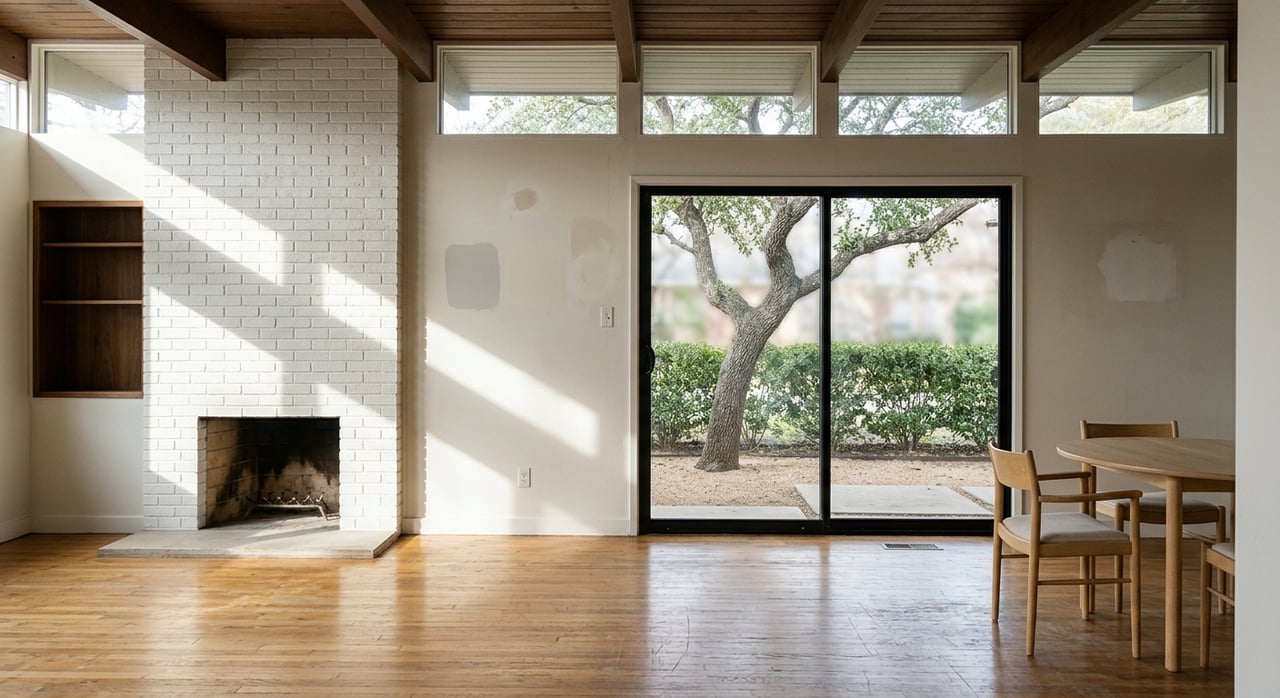
Zilker’s postwar homes often include small ranch and modern styles that became more common after the mid-1900s. Austin survey guidance describes ranch homes as low and horizontal, often with masonry, deep eaves, clerestory windows in some cases, and attached garages.
These homes can offer more flexibility for kitchen and living reconfiguration. Open plans and larger window walls became more common in the late 1940s and 1950s, so some ranch homes already have a strong indoor-outdoor relationship that can be refined rather than replaced.
Look For Renovation Potential, Not Just Size
A thoughtful renovation candidate is not always the largest house on the block or the one with the easiest cosmetic upside. In Zilker, a better candidate is often a home with a clear original form, a workable lot, and enough room to improve function without making the front elevation feel oversized.
As you evaluate a property, focus on how the house meets the site and the street. If the home already has a strong porch presence, balanced window placement, or a calm horizontal profile, those qualities may be worth protecting because they help the house feel grounded in the neighborhood.
Signs A Home May Renovate Well
- The original front form is simple and readable
- The house has room to expand toward the rear
- Existing windows and doors can be improved without disrupting proportion
- Living areas could connect better to the yard or patio
- Kitchens, baths, storage, and laundry need updates but the structure still has character
- The lot offers usable outdoor space without obvious conflicts from trees, drainage, or creek proximity
Signs You Should Pause
- The only way to add space is by overpowering the front facade
- The house already feels out of scale with nearby homes
- Mature trees may severely limit expansion options
- Site conditions suggest added review for floodplain, drainage, or erosion hazards
- The renovation budget depends on assumptions about easy approvals
Respect Scale And Street Presence
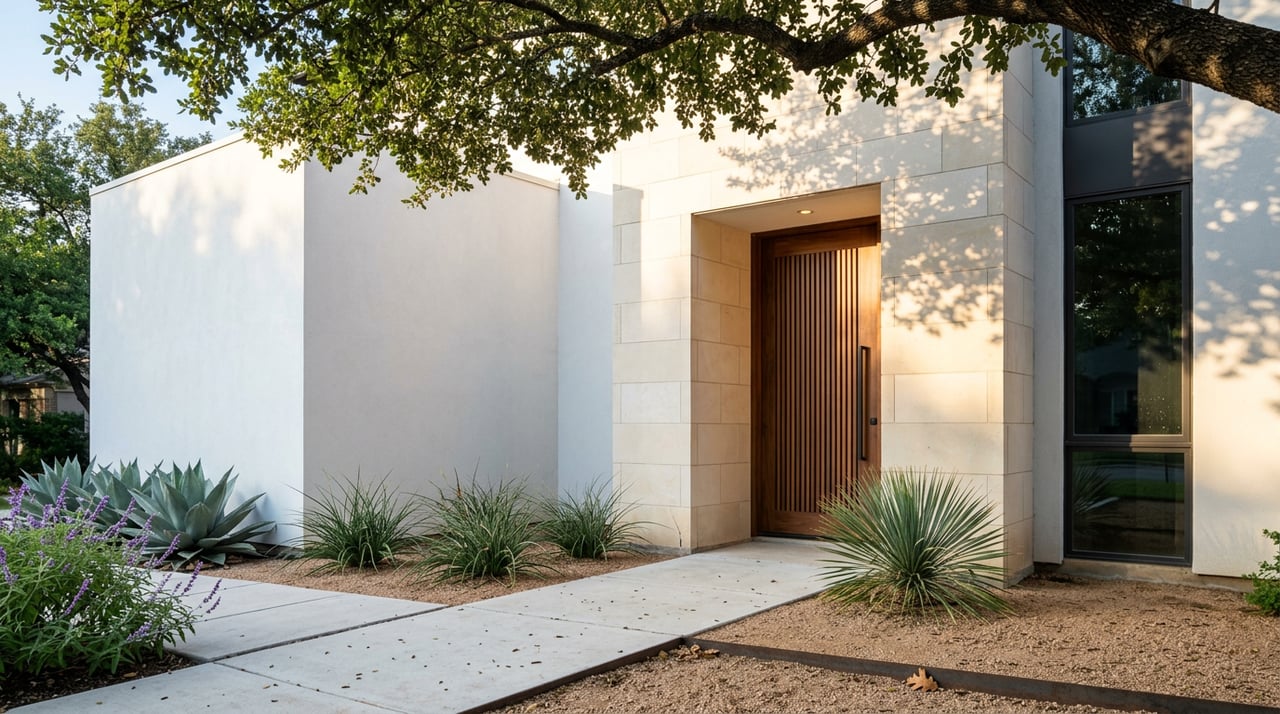
One of the most common mistakes in Zilker renovation is making the house feel too large, too tall, or too visually heavy for the block. Austin’s preservation guidance emphasizes compatibility with original character and encourages new work to be of its own time while still fitting the size, scale, material palette, and overall character of the property.
For you, that means asking a simple question early: will the renovation still let the home read as a bungalow or ranch from the street? If the answer is no, the plan may be fighting the very qualities that make the property appealing in Zilker.
What Compatibility Often Looks Like
- Rear additions that remain visually subordinate to the original house
- Material choices that feel coherent with the home’s era and massing
- Window proportions that are clean and consistent
- Porch and entry elements that remain modest and intentional
- Contemporary updates that feel tailored, not imported from another neighborhood style
Make Outdoor Living Part Of The Plan
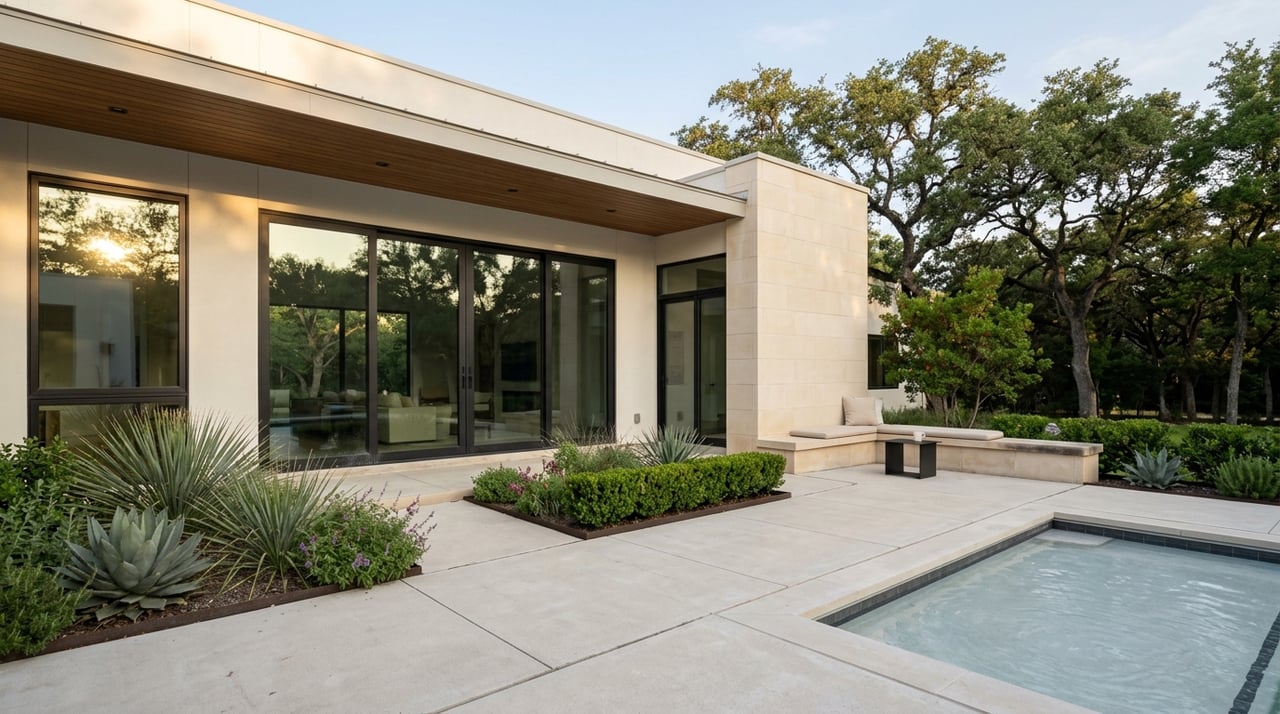
In Zilker, the yard is not just leftover space. Because the neighborhood is closely tied to park life, trails, and mature landscape, outdoor planning is part of what makes a renovation feel complete.
As you assess a property, think beyond interior square footage. Patios, shade, circulation to the backyard, and the placement of doors and windows can shape daily life as much as a new kitchen or bath.
A house with a strong site plan often feels more valuable than one with simply more enclosed area. In practical terms, that means landscaping, usable yard space, and the relationship between interior rooms and outdoor areas should be part of your early evaluation.
Study Trees, Drainage, And Site Constraints Early
Some of the biggest renovation surprises in Zilker come from the lot, not the house. Austin requires tree review when 19-inch-or-larger trees are present on or near the site, and the city regulates protected trees at 19 inches diameter and heritage trees at 24 inches and larger. Removal or impact generally requires city review.
Floodplain and erosion-hazard review can also matter. Austin requires floodplain review if the property is in the 100-year floodplain or within 100 feet of its boundary, and erosion-hazard review if the property is within 100 feet of a creek or stream centerline.
This is especially important for lots near Barton Creek, lower-lying parcels, and properties with mature canopy. A home that looks simple to renovate on paper can become much more complex once tree protection, drainage, or creek-related review enters the picture.
Check Historic Review Requirements Before You Commit
If you are buying with renovation in mind, confirm whether the property is historically designated or may be historically eligible. Austin notes that historic properties require review for exterior changes and new construction, and the Historic Landmark Commission reviews proposed exterior changes to designated resources as well as demolitions and relocations of buildings that are at least 45 years old and may be eligible for landmark designation.
If a property is a local landmark or sits in a local historic district, a Certificate of Appropriateness is required in advance for non-routine exterior work. That includes additions, new construction, roof changes, repaints with new colors, major landscape work, and driveway or sidewalk changes.
This does not mean a renovation is off the table. It means your evaluation should include approval complexity, timeline risk, and design strategy from the beginning.
Understand The Residential Review Process
Even when historic review is not an issue, city review still affects budget and timing. Austin says residential plan review covers new construction, additions, interior remodels, and demolition of single-family, duplex, or two-family houses.
Zoning review is required for new construction, additions, remodels, and changes of residential use. That means a smart renovation evaluation should include the house, the lot, and the likely review path, not just contractor pricing.
Questions To Ask Early
- What parts of the project trigger plan review?
- Will zoning review affect the design concept?
- Are there large trees on or near the build area?
- Is the lot near floodplain or creek-related review areas?
- Could exterior work require historic review or a Certificate of Appropriateness?
Prioritize Upgrades That Truly Resonate
In Zilker, the most defensible renovations tend to improve daily use without erasing the home’s scale or period character. That usually means better kitchens and baths, improved storage and laundry, stronger indoor-outdoor flow, and additions that remain secondary to the original structure.
The goal is not to turn every house into a showpiece detached from its context. The goal is to create a more refined, functional version of what the house already wants to be.
Upgrades That Often Add Real Value
- Reworked kitchens with durable, high-quality finishes
- Better bathroom layouts and modernized systems
- Added storage in homes with compact original plans
- Laundry placement that improves daily function
- Rear additions that preserve the modest street-facing form
- Outdoor spaces that support shade, seating, and easy circulation
Think Like A Curator, Not A Maximizer
The best Zilker renovations usually feel edited, not overworked. They preserve modest scale, porch logic, and material character while quietly improving comfort through better flow, light, storage, and site usability.
If you approach a home this way, you are more likely to make decisions that support long-term value and visual coherence. In a neighborhood with strong amenity value and a premium housing market, homes that feel tailored to Zilker often stand apart from homes that chase a more generic formula.
If you are weighing a Zilker purchase or considering how to position a design-sensitive property for the market, Michael Reisor can help you assess renovation potential through the lens of neighborhood fit, presentation, and long-term value.
FAQs
What makes a Zilker home a good renovation candidate?
- A strong candidate usually has a clear original form, room to improve function, and the ability to expand or update without overpowering the house’s street-facing scale.
What home styles are common in Zilker, Austin?
- Zilker commonly includes older cottages, bungalows, Minimal Traditional homes, and postwar ranch or small modern homes built as the neighborhood developed through the mid-1900s.
What should you check before buying a Zilker home to renovate?
- You should check for possible historic review, tree constraints, floodplain or erosion-hazard review, zoning implications, and the likely scope of Austin residential plan review.
Why do trees matter in a Zilker renovation project?
- Trees can shape what is feasible because Austin requires review when 19-inch-or-larger trees are present on or near the site, and protected or heritage trees may limit removal or construction impact.
How should additions be designed for older Zilker homes?
- In many cases, additions work best when they remain subordinate to the original house, extend toward the rear, and preserve the home’s modest scale and character from the street.
Which upgrades usually make sense in a Zilker renovation?
- The most practical upgrades often include kitchens, baths, storage, laundry improvements, indoor-outdoor flow, and outdoor living areas that support how people use the site every day.