You want the ease of a central Austin address with the feel of a private lake retreat. Few places deliver that balance like Tarrytown’s stretch of Lake Austin. Before you invest, it helps to understand how day-to-day lake life works here, what to expect from docks and permits, and where privacy and value can shift block by block. This guide gives you a clear picture of Tarrytown waterfront living so you can buy with confidence. Let’s dive in.
Why Tarrytown waterfront stands out
Set immediately west of MoPac, Tarrytown runs from Enfield to West 35th and down to the Lake Austin shoreline. The neighborhood is known for tree‑lined streets, walkability, and a very short drive to downtown. For a quick overview of the area’s footprint and history, see the neighborhood profile from the Tarrytown Alliance, which captures why proximity is such a draw for residents who want city and calm in one place. You can review that context on the Tarrytown Alliance overview.
Tarrytown’s waterfront sits on Lake Austin, a constant‑level reservoir formed by Tom Miller Dam. This lake is narrower and more residential in character than Lake Travis, which creates a more intimate shoreline and a city‑edge lake lifestyle. For technical details on the lake system and how it differs from larger Highland Lakes, explore the LCRA Dams and Lakes summary.
Waterfront parcels here are scarce. Many buyers choose Tarrytown for the combination of private water access, mature trees, and a five to ten minute drive into downtown. That scarcity and convenience often place a premium on direct lake frontage.
Everyday lake life on Lake Austin
If you picture morning paddleboard sessions, short boat cruises to lakeside restaurants, and sunset runs past the 360 Bridge, you are on the right track. Walsh Boat Landing is the neighborhood’s most visible public ramp and a hub for launching, dining, and people-watching. You can see hours and location on the Walsh Boat Landing page.
Expect a rhythm to activity. Weekdays tend to be quieter with locals out on kayaks and SUPs. Weekends and holidays bring more boat traffic near public ramps and popular docks. The City of Austin Lake Patrol manages navigation and enforces slow and no‑wake zones in high‑traffic areas to keep things safer and calmer. For rules and updates, visit the City Lake Patrol page.
Docks, permits, and who regulates what
On Lake Austin, the City of Austin is your primary regulator for docks, shoreline work, and navigation control zones. The City runs a dock registration program and requires site‑plan review or a site‑plan exemption for most dock and shoreline projects. You can find the core rules and contacts on the City of Austin Boat Docks page.
If you are comparing Lake Austin to other area lakes, note that the Lower Colorado River Authority (LCRA) governs many dock and buoy standards on the Highland Lakes such as Lake Travis and Lake LBJ. LCRA specifically directs Lake Austin dock questions to the City. That distinction matters if you also shop outside Tarrytown or along other lakes. See the LCRA Buoys, Docks and Marinas guidance for a high‑level overview.
What to verify on every listing
- Dock status: Is there a current City dock registration and permit for any existing structure? If a dock exists, confirm whether approvals transfer at closing and whether the structure meets current standards.
- Shoreline work: Ask for records on any bulkhead, seawall, or repair work. The City outlines requirements and thresholds for repairs and new work in Article 13 of the land development code. You can review that in the City’s Article 13 document.
- Access rights: Confirm who holds submerged land, anchoring rights, and any recorded easements that affect your ability to reach or maintain the dock.
- Use limits: Review any HOA or deed restrictions that limit dock size, screening, or lighting.
- Flood and insurance: Identify floodplain status and elevation. This affects both design decisions and premiums.
- Water quality: Austin publishes algae advisories when needed. Check recent updates on the City algae information page.
Privacy, noise, and navigation zones
Lake lifestyle is shaped by your exact position on the shoreline. Properties next to a public ramp or a busy restaurant dock enjoy easy access and people‑watching, but they also experience more boat noise on weekends and holidays. Homes tucked into recessed coves or treed inlets often enjoy calmer water and more privacy, though runs to open water can take a few more minutes.
The City sets slow and no‑wake zones in high‑traffic sections of Lake Austin. These controls help reduce collisions, calm wakes near sensitive stretches, and can change traffic patterns seasonally. You can review current navigation rules and safety resources on the City Lake Patrol page.
Lot types and architectural cues you will see
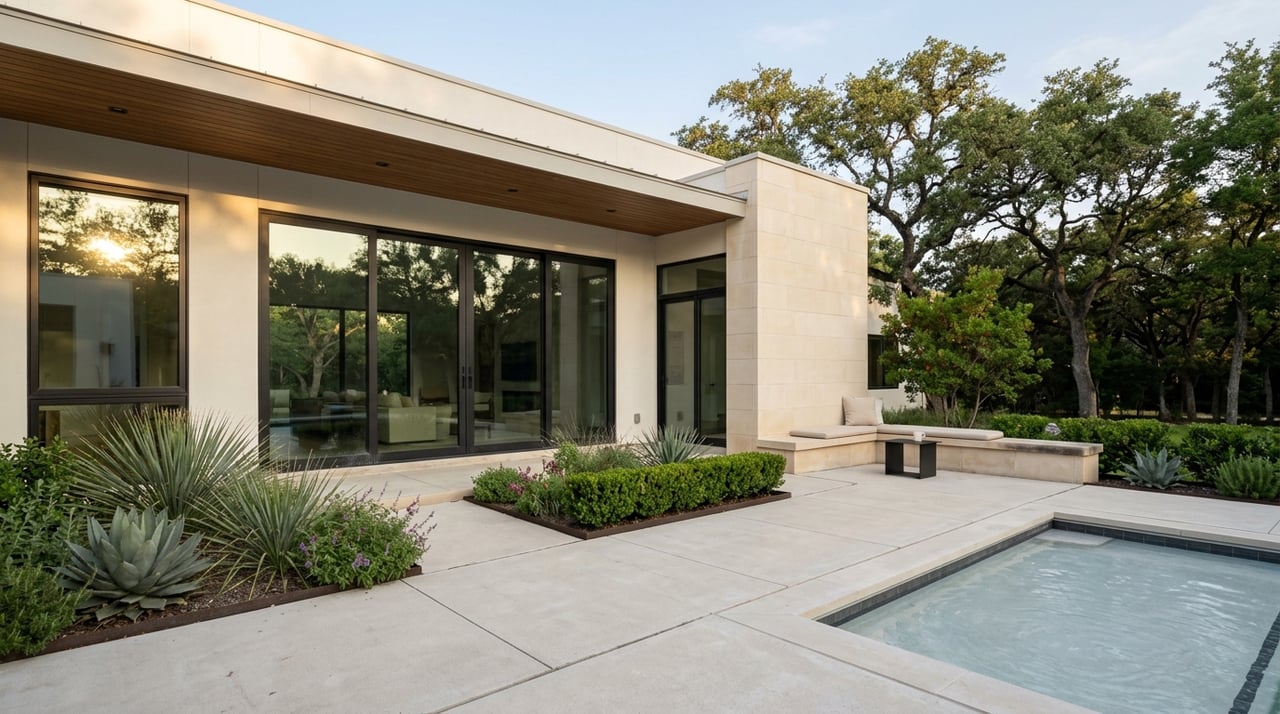
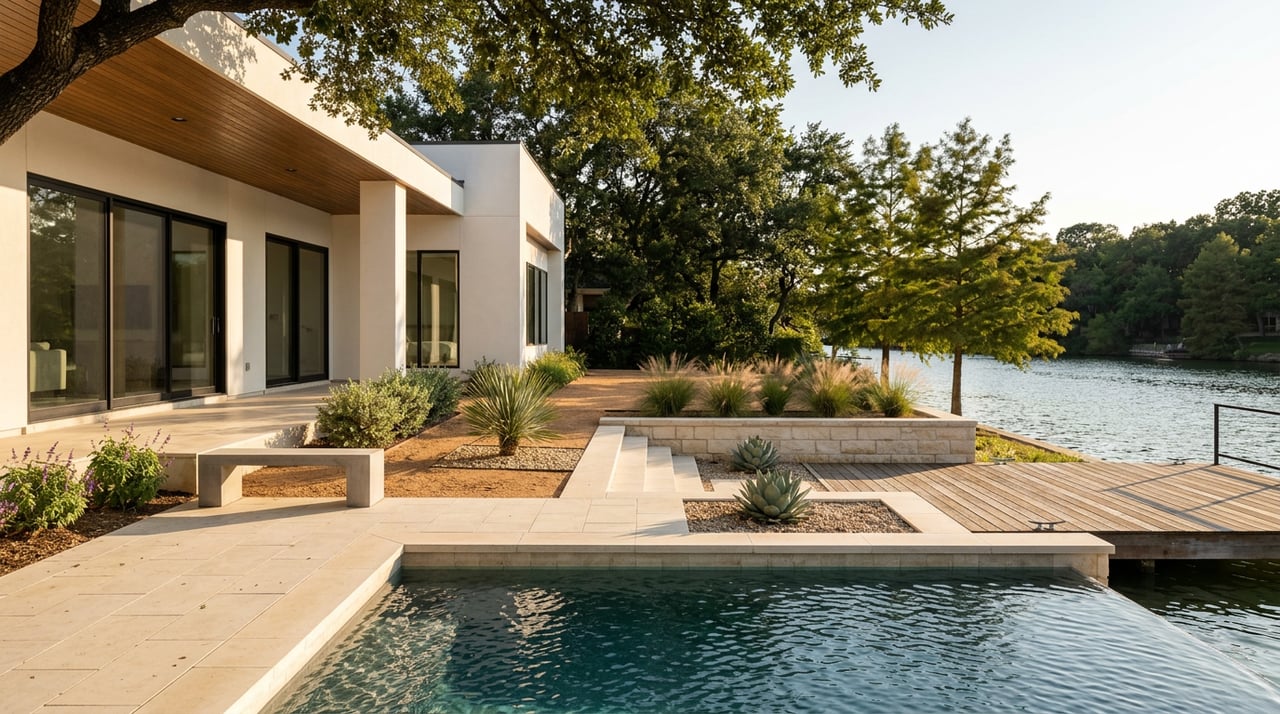
Many Tarrytown waterfront lots have modest shoreline width with more depth inland. That geometry encourages homes to orient long, horizontal glazing and outdoor living spaces to capture views while stepping down to the water with terraced gardens and stairs. You will often see:
- Multi‑level decks and covered outdoor rooms connected to a kitchen or great room for seamless entertaining.
- Large glass walls facing the water to frame the tree‑lined shoreline and evening light.
- Stepped retaining walls and native landscaping that ease the grade to a dock while managing runoff.
- Separate boat storage or lifts, plus discreet screening elements that keep the shoreline elegant.
- Driveways that accommodate multiple cars for gatherings and occasional trailer staging where permitted.
If you want the Lake Austin lifestyle without private shoreline maintenance, a small set of condominiums and associations along scenic corridors offer assigned slips or shared docks. This is a common entry route for buyers who prefer low‑touch water access in a central location.
Tarrytown vs other Austin waterfronts
- Lake Austin: Close‑in, constant‑level, tree‑lined, and largely residential. You get a refined lake lifestyle with quick access to the city.
- Lake Travis: Larger, deeper, and resort‑oriented with more marinas and big‑wake activity. LCRA governs many dock standards here. For an overview of lake characteristics across the system, see LCRA Dams and Lakes.
- Lady Bird Lake: Urban and primarily non‑motorized. Great for paddling and the hike‑and‑bike trail, but not for motorboat use. The City prohibits gas motors here and the Lake Patrol page outlines enforcement and safety resources.
Your choice comes down to pace and proximity. If you want a quick city commute and a quieter, residential shoreline, Lake Austin in Tarrytown fits well. If you want a larger‑scale weekend boating scene with big marinas, Lake Travis may be better.
Price and value drivers to watch
Neighborhood market snapshots for the 78703 zip, which includes Tarrytown, commonly show median values well above the Austin average. In recent periods, vendor reports placed median pricing in the roughly one to two million range depending on methodology and whether condos are included. Direct waterfront in Tarrytown often trades well above those figures due to scarcity and location.
On the water, value typically turns on a few variables:
- Quality of views and orientation (skyline or long‑water views often command a premium).
- Dock status: a permitted, insurable dock with boat lifts and recent improvements is a major driver.
- Shoreline condition: recent, permitted seawall or bulkhead work can save you significant capital.
- Lot geometry and access: usable outdoor space and efficient, safe steps to the dock matter.
- Privacy context: adjacency to public ramps or popular docks can push price up for convenience or down for buyers who want quiet.
If you are evaluating two properties with similar square footage, these factors can be the difference between a solid buy and a top‑tier, long‑hold asset.
Buyer checklist for smart due diligence
Use this short list to structure your discovery process with your agent and advisors.
Jurisdiction and records
- Confirm whether the lot is inside Austin city limits or in an ETJ area. Dock and land‑use rules differ by jurisdiction. Start with the City Boat Docks page for Lake Austin rules.
Dock and buoy status
- Ask for the current City dock registration and any permits on record. Confirm transferability and whether any variances exist. For lakes outside the city, refer to the LCRA docks and marinas guidance.
Shoreline condition and maintenance
- Request documentation on seawalls or bulkheads, including dates, permits, and repairs. The City’s Article 13 outlines thresholds for maintenance versus new construction. See the Article 13 document.
Use and access limitations
- Review HOA rules, deed restrictions, and any recorded easements that affect dock placement, screening, or pathways.
Flooding and insurance
- Determine floodplain status and required insurance, and assess elevation relative to historic events.
Water quality and lake use patterns
- Check recent algae advisories and seasonal activity. Start with the City algae page and ask your agent about current no‑wake controls via the Lake Patrol resources.
Advisors to involve early
- Title attorney for riparian and submerged land rights.
- Licensed surveyor to verify shoreline frontage and improvements.
- Local civil or shoreline engineer if you plan dock or seawall work.
- An experienced Austin agent who understands Lake Austin permitting and how dock history affects value.
Red flags that change the math
- Missing or non‑transferable dock permits. A required removal or rebuild will impact price and timing.
- Unpermitted shoreline work or failing seawalls. Expect cost, possible remediation, and permitting steps.
- Immediate adjacency to public ramps or busy restaurant docks. Some buyers love the energy, others value quiet.
- Unclear jurisdiction or service changes under discussion. Policy shifts can affect services and taxes.
Make your next move with confidence
A considered Tarrytown purchase balances the romance of lakeside living with practical steps on permits, shoreline, and privacy. When you understand the patterns of Lake Austin, you can target the right pocket of shoreline and invest with clarity. If you want a refined search that considers design intent, dock realities, and long‑term value, connect with Michael Reisor for a private consultation or to Request a Private Valuation.
FAQs
What should I know about dock rules on Lake Austin in Tarrytown?
- The City of Austin regulates docks on Lake Austin, including permits, site‑plan reviews or exemptions, and registration. Start with the City Boat Docks page and confirm permit status on any listing.
How busy does Walsh Boat Landing get on weekends and holidays?
- Expect concentrated activity at Walsh during peak times, with more boat launches and nearby restaurant traffic. You can check location details on the Walsh Boat Landing page.
How is Lake Austin different from Lake Travis for buyers comparing waterfronts?
- Lake Austin offers a closer‑in, constant‑level, residential shoreline with fewer large marinas, while Lake Travis is larger, deeper, and more resort‑driven with LCRA standards for many docks. See LCRA Dams and Lakes for system context.
Are there no‑wake areas near Tarrytown waterfront homes?
- Yes. The City sets slow and no‑wake zones in high‑traffic areas and enforces them through Lake Patrol. Review current rules and safety resources on the City Lake Patrol page.
Are algae blooms an issue on Lake Austin and how can I stay informed?
- Algae advisories occur periodically and the City posts updates with guidance for people and pets. Check the City algae information page for the latest notices.
Do I need flood insurance for a Tarrytown waterfront home?
- It depends on the property’s floodplain status and elevation. Confirm with your lender and insurance provider and ask your agent to verify flood mapping and historical context during due diligence.