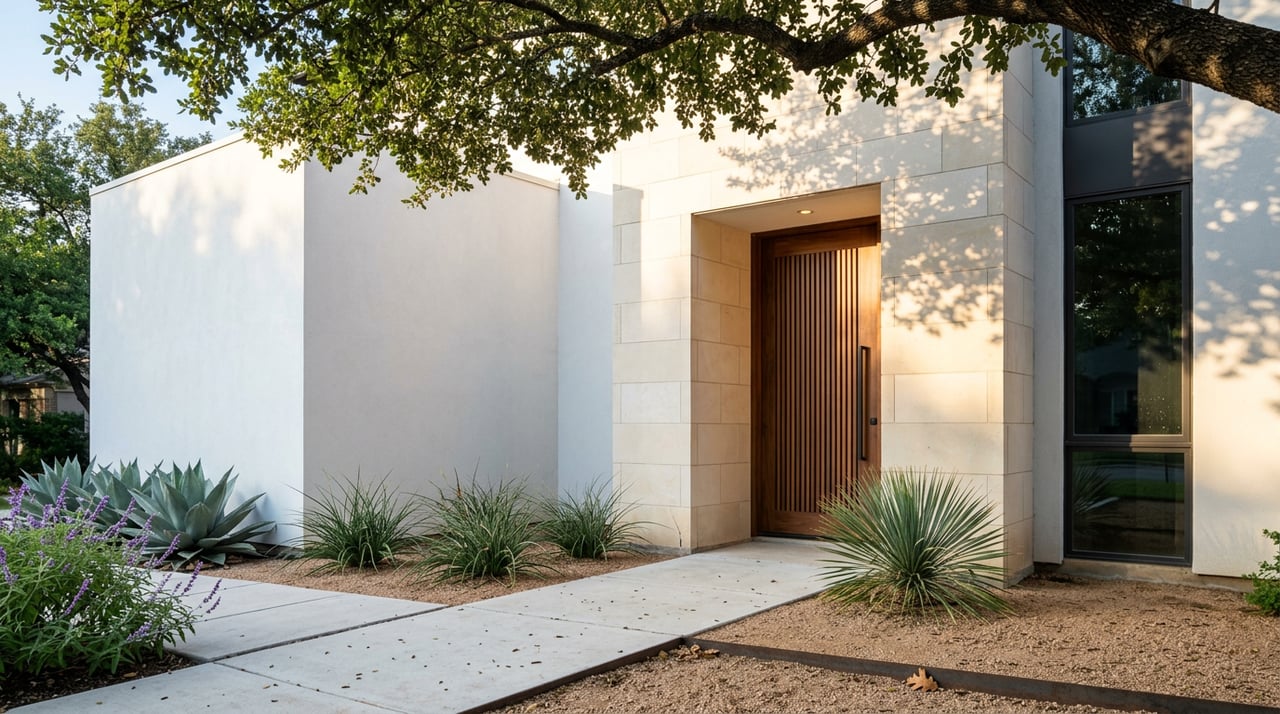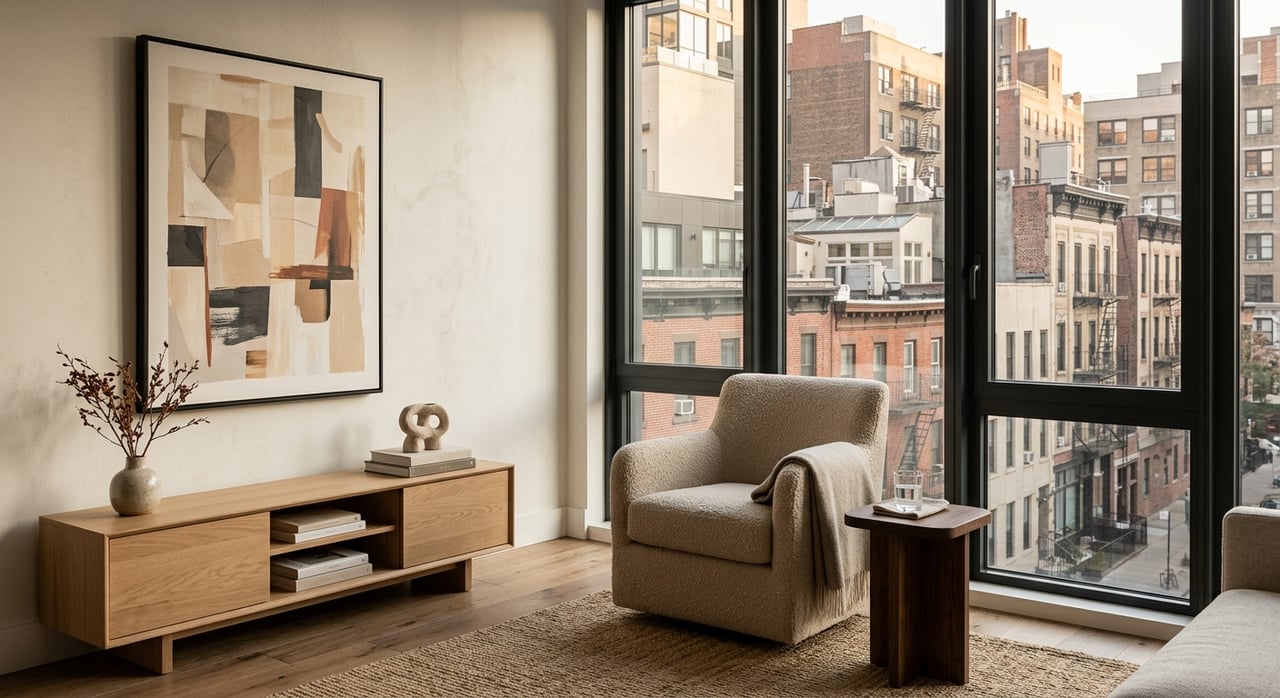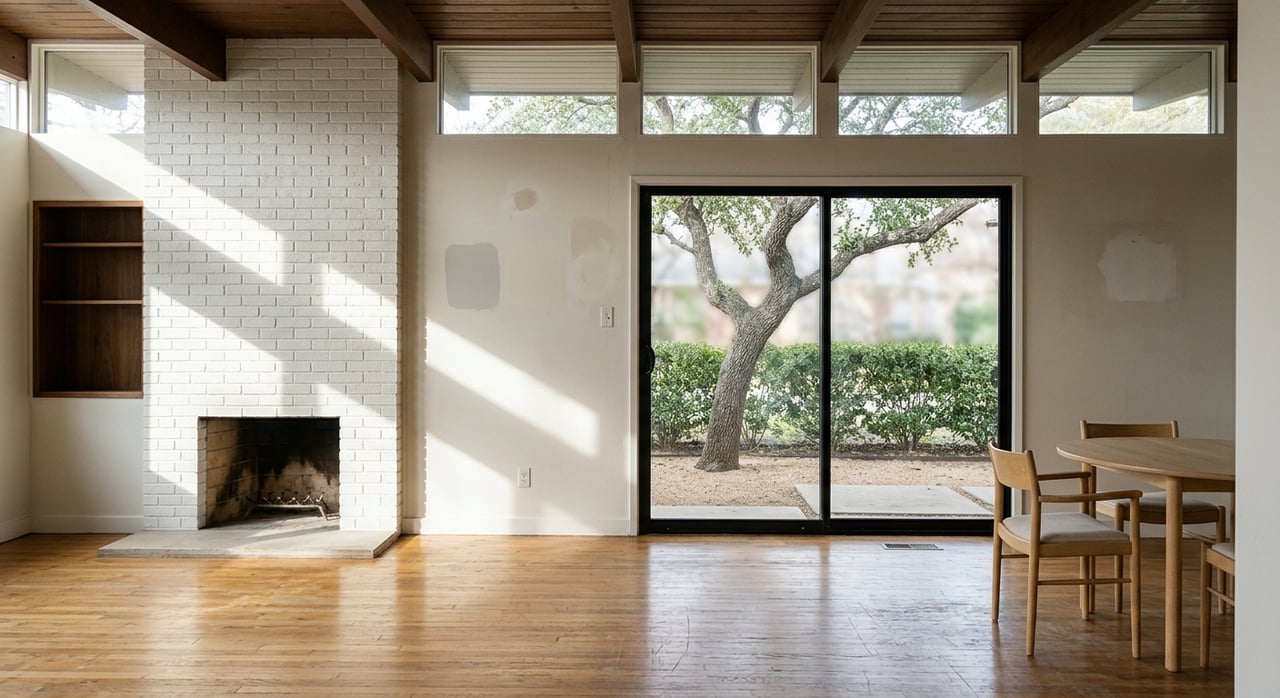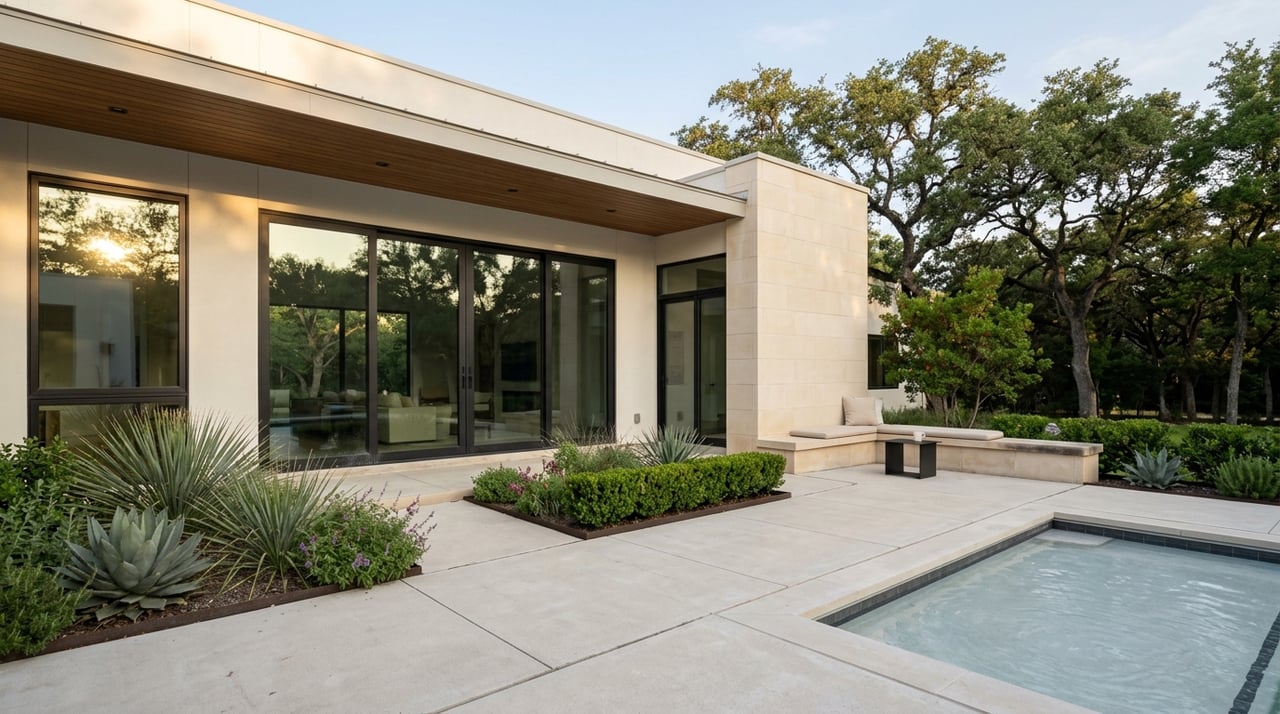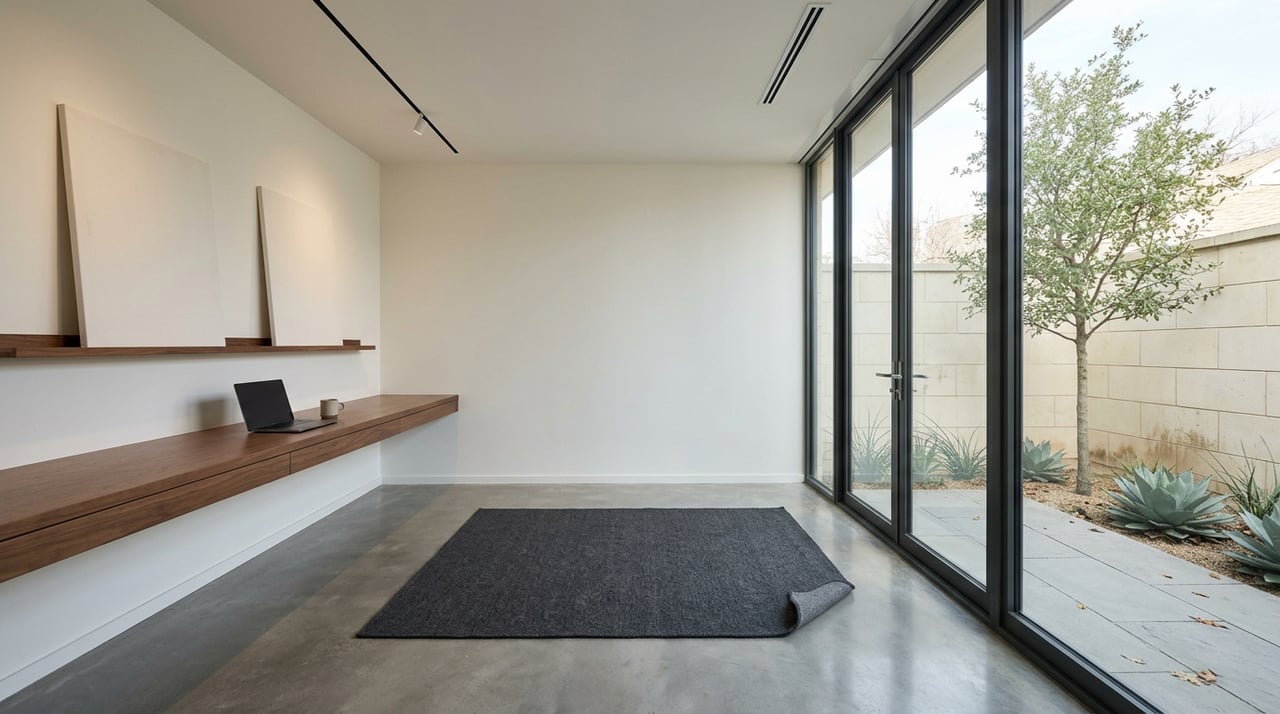
Are you looking for a home in Holly that can do more than one job? If you want a place where you can live comfortably and also create, consult, or work from home, this neighborhood offers real possibilities, but only if you understand the limits of the lot, layout, and zoning. This guide will help you think clearly about what kinds of studio and live-work homes in Holly are most realistic, what to look for before you buy, and where the best-fit opportunities tend to appear. Let’s dive in.
Why Holly Works for Creative Living
Holly has a strong case for buyers who want a home that supports a creative or flexible work life. The Holly Neighborhood Plan describes the area as mostly single-family residential, with some multifamily housing and a small number of commercially zoned properties. That mix gives you a neighborhood that feels residential first, while still offering a few pockets where a more public-facing work setup may be possible.
The neighborhood’s physical character also matters. Many homes were built more than 50 years ago, and homes north of East César Chávez often sit on smaller lots with narrow roadways. Some houses were built without driveways or garages, which can affect how practical a studio use will be if you need storage, parking, or occasional client visits.
At the same time, Holly supports a lifestyle where work and daily routines can stay close to home. The neighborhood plan highlights sidewalks, pedestrian safety, trail access, lighting on key corridors, and better bicycle access to downtown. For many buyers, that creates a more considered rhythm, where your home, workspace, errands, and outdoor time can all fit into one local routine.
What “Live-Work” Usually Means in Holly
If you are imagining a true commercial storefront with steady customer traffic, Holly may not be the right fit on most residential blocks. Based on the neighborhood plan and Austin’s home occupation rules, Holly is better suited to low-impact work that happens mostly inside the home. Think remote work, writing, design, consulting, photography editing, or a quiet art practice.
Austin’s property guidance allows home occupations as accessory nonresidential uses. The city gives examples such as a business office, medical office, art workshop or gallery, and music, dance, or photography studio. In practical terms, that means a house with an extra room, den, or enclosed garage can be far more useful than a home that looks stylish but offers no flexible interior space.
The city’s code also sets limits that shape what is feasible. A home occupation must stay within the dwelling unit or one accessory garage, cannot generate more than three customer-related vehicle trips per day, cannot allow direct merchandise sales on site, cannot display equipment visible from off the property, and cannot park a commercial vehicle on the premises or on an adjacent residential street. For most buyers, that points toward a quieter, internal setup rather than a business with constant public activity.
Best Property Types to Prioritize
Single-Family Homes With Flex Rooms
In Holly, one of the strongest options is an older single-family home with a spare bedroom, front room, den, or converted secondary space. These layouts often give you the flexibility to create a studio, office, or meeting space without changing the overall residential character of the property.
This approach tends to work especially well because it aligns with Austin’s rules for home occupations. Instead of trying to force a retail-style business into a residential setting, you are choosing a home that already supports quiet, contained work. That is often the cleanest path from idea to daily use.
Homes With Garage or Accessory Space
If your work requires separation from your living area, homes with a garage or accessory structure deserve close attention. Austin’s code allows a home occupation within the dwelling unit or one accessory garage, which can make a garage workspace especially appealing for some studio uses.
That said, you still need to confirm what is actually permitted on the specific parcel. In Holly, many older homes do not have garages, and some lots are tight. A property that feels promising online may become less workable once you evaluate setbacks, access, parking, and the condition of the structure.
Lots That May Support an ADU
For buyers who want a detached studio, guest suite, or separate work area, lot size becomes a major filter. Austin allows an additional dwelling unit on a residential property only if the lot is zoned SF-1, SF-2, or SF-3 and is at least 5,750 square feet.
That rule makes lot screening essential in Holly, where lot sizes vary and many properties are older. If your vision includes a more distinct live-work arrangement, you will want to confirm zoning, lot size, addressing requirements, utility considerations, and any fire-separation requirements early in your search.
Corridor and Mixed-Use Properties
If you want a space that is more public-facing, properties along East César Chávez or near E. 7th Street may be more compelling than a quiet interior residential block. The Holly Neighborhood Plan identifies East César Chávez as a neighborhood commercial corridor and describes E. 7th as a gateway corridor with small offices, restaurants, retail, and other neighborhood-serving uses.
These locations may better support uses that benefit from visibility or easier client access. Still, the exact parcel matters more than the street name alone. Zoning, site standards, and neighborhood-plan constraints can all affect what is actually possible.
Why the Exact Parcel Matters
One of the biggest mistakes buyers make is assuming the neighborhood label tells the whole story. In Holly, the exact lot can change your options in a major way. Austin’s zoning rules determine what can be built and where, including building height, setbacks, and impervious cover.
The city also notes that a formal zoning verification letter can confirm the current zoning of a specific property, and the Property Profile tool can show zoning and other property details. If you are serious about a studio or live-work concept, this is not background research. It is a core part of your buying decision.
You should also remember that zoning is only one layer. Deed restrictions, restrictive covenants, historic review issues, floodplain conditions, tree constraints, and neighborhood-plan requirements can all affect feasibility. A property can look workable at first glance and still present meaningful limits once the details are reviewed.
Practical Fit: What Works Best in Holly
For most buyers, the best Holly match is a home that quietly supports work rather than announces it. The neighborhood’s pattern of older homes, smaller lots in some sections, and limited parking on certain streets makes low-impact use the most natural fit.
That does not mean compromise. It means being strategic. A well-chosen Holly property can feel deeply personal and highly functional if your goal is a studio, office, or creative retreat that blends into daily life.
In many cases, the most successful setup is not the most obvious one. A modest front room with good light, a detached garage with privacy, or a larger lot with future ADU potential may offer more long-term value than a property that sounds “live-work” in theory but faces practical zoning or parking limits.
Questions to Ask Before You Make an Offer
Before you move forward on any Holly property with studio or live-work potential, ask a focused set of questions:
- What is the exact zoning district for the parcel?
- Is there a conditional overlay, historic overlay, or neighborhood-plan constraint?
- Would your intended use count as a home occupation, an ADU, or something that could trigger site plan review, rezoning, or a neighborhood plan amendment?
- If clients or vendors will visit, is there enough off-street parking to support the use within Austin’s home occupation limits?
- Can a detached studio, garage workspace, or future addition fit within setbacks, impervious-cover limits, and utility requirements?
- Are there deed restrictions, restrictive covenants, floodplain issues, tree constraints, or historic-review concerns that could limit the plan?
These questions help you move past the idea of a property and into its actual feasibility. That shift can save time, money, and frustration.
A More Curated Search Strategy
If Holly is on your shortlist, it helps to search with a more curated lens. Instead of asking whether a home is simply “beautiful” or “updated,” ask whether it supports the way you want to live and work. In this neighborhood, the right layout often matters as much as the finish level.
You may want to prioritize features like:
- A separate front room or den
- A garage or enclosed accessory space
- Better off-street parking
- A larger lot with possible ADU potential
- Proximity to East César Chávez or E. 7th if occasional client access matters
- Walkability to neighborhood-serving amenities and trail connections
That kind of screening is especially useful in Holly because the housing stock is varied and older. Two homes with similar square footage can offer very different live-work potential once you study the lot, street, and zoning context.
If you are looking for a Holly home that can support a studio, office, or flexible creative life, a thoughtful property review matters. Michael Reisor brings a curated, neighborhood-specific approach to finding homes that align with both design priorities and practical use.
FAQs
What kinds of studio uses are most realistic in Holly?
- In Holly, the most realistic studio uses are typically low-impact home occupations such as remote work, consulting, writing, design, photography, or quiet creative work that stays mostly inside the home.
Can you build a detached studio or ADU in Holly?
- In Holly, a detached studio or ADU may be possible on some residential properties if the lot is zoned SF-1, SF-2, or SF-3 and is at least 5,750 square feet, but zoning, utility, address, occupancy, fire-separation, and other property-specific requirements still apply.
Are client visits allowed for home-based work in Holly?
- In Holly, client visits may be allowed for a home occupation, but Austin’s code says the use cannot generate more than three customer-related vehicle trips per day.
Is Holly a good fit for a storefront-style live-work setup?
- In Holly, most interior residential streets are a better fit for quiet work-from-home use than storefront-style activity, while some corridor properties near East César Chávez or E. 7th may be more plausible for public-facing uses depending on the parcel.
Why is parking important when buying a studio home in Holly?
- In Holly, parking matters because many older homes were built without driveways or garages, some streets are narrow, and home occupation rules limit higher-traffic business activity.
What should you verify before buying a live-work property in Holly?
- In Holly, you should verify the exact zoning, overlays, neighborhood-plan constraints, parking situation, lot size, setback and impervious-cover limits, and whether any deed restrictions, historic issues, floodplain conditions, or tree constraints could affect your plans.