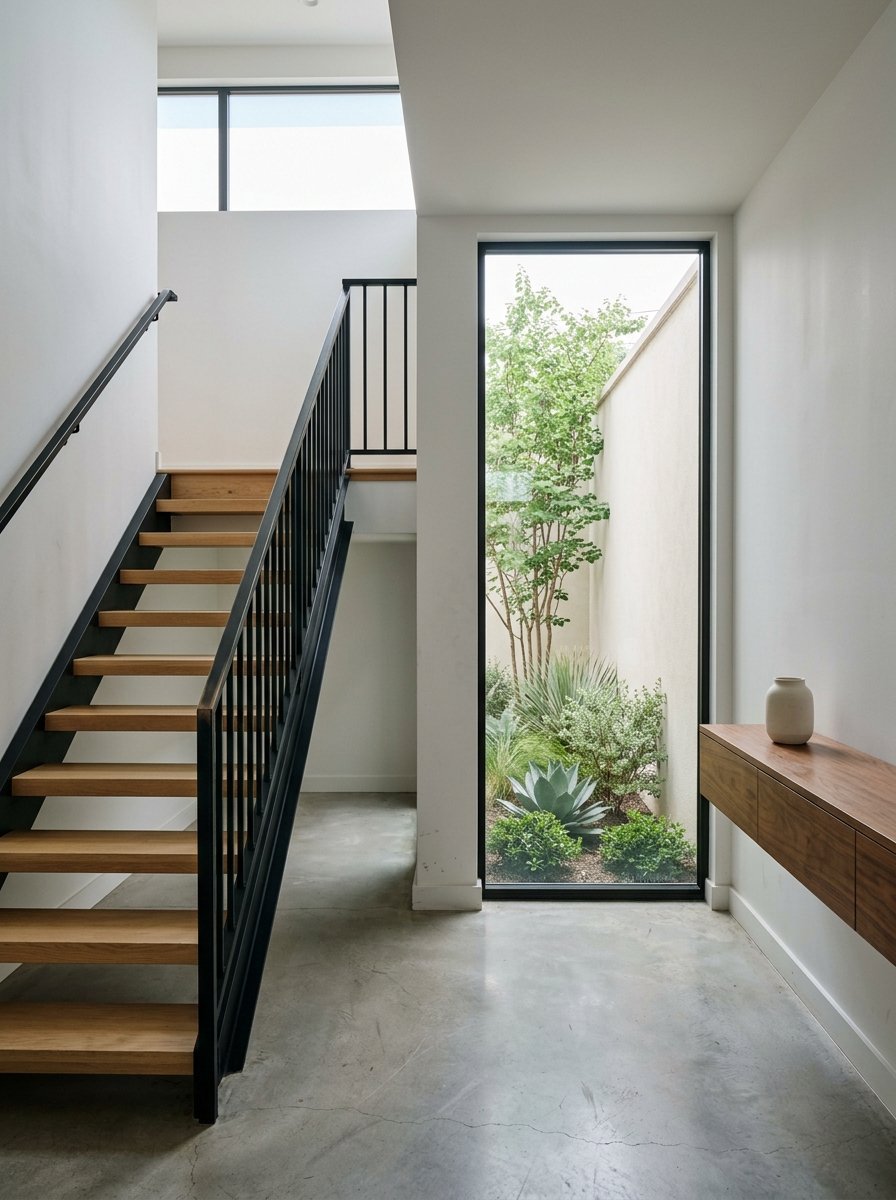
If you are drawn to Holly, you are probably not looking for a generic investment story. You are looking for a neighborhood where design, context, and long-term potential matter as much as square footage. In Holly, that means understanding older housing stock, evolving land use, and the public spaces that shape daily life. Let’s dive in.
Why Holly Stands Out
Holly sits in Austin City Council District 3, in an area the City describes as home to historic and diverse neighborhoods in East and South Austin. Its location also helps explain its appeal. The Holly Neighborhood Plan notes that 7th Street functions as a gateway to Central Austin, Downtown, East Austin, and Austin-Bergstrom International Airport.
For you as a buyer, that creates a specific kind of value. Holly offers close-in access without feeling identical to the downtown core. It reads as urban, connected, and layered, with a neighborhood identity that has been shaped over time rather than built all at once.
Holly Is a Neighborhood in Transition
One of the most important things to understand about Holly is that it is still balancing preservation and change. The adopted neighborhood plan highlights long-running concerns such as affordable housing preservation, traffic, business encroachment into residential streets, and the future of the former Holly Power Plant area.
That tension still matters today. In 2023, the City approved a neighborhood plan amendment for certain East 2nd Street and East Cesar Chavez parcels, changing future land use from Single Family/Civic to Mixed Use. That does not mean the entire neighborhood is shifting at the same pace, but it does show that parts of Holly continue to evolve.
For a design-forward buyer, this is often where the opportunity lives. You are not just buying a structure. You are buying into a street, a block, and a broader planning context that can influence how the area feels over time.
Older Homes Create Design Opportunity
The Holly Neighborhood Plan describes the residential district as predominantly single-family homes, mixed with some multifamily and a few commercially zoned lots. It also states that most of the houses were built more than 50 years ago.
That age profile matters. In practical terms, Holly can offer several different paths for a design-minded purchase, including older homes with renovation upside, small-lot infill opportunities, and properties near commercial corridors that may support more adaptive approaches.
This is part of what makes Holly compelling for buyers with a strong point of view. Instead of a neighborhood defined by one housing type, you will find a mix of scale, condition, and setting. That can create room for thoughtful transformation, especially if you value architecture, materials, and how a home fits its surroundings.
Contextual Design Matters in Holly
Holly is not a place where design should be approached in isolation. The neighborhood plan specifically calls for voluntary design guidelines intended to keep development compatible with the history and architectural style of the barrio.
That is a useful lens if you are evaluating a renovation or a build strategy. In Holly, the strongest projects are often the ones that respond to context, scale, and rhythm rather than trying to overpower the street. Design-forward does not have to mean disconnected from place.
The plan also supports small-lot amnesty, which allows certain lots previously too small for a standard single-family house to be built on or reconstructed. For some buyers, that introduces another layer of possibility. But as with any parcel-level decision, the details matter.
Renovation Requires Clear Due Diligence
Because much of Holly’s housing stock is older, renovation potential should be paired with careful review. The neighborhood plan’s emphasis on home repairs, including roof and foundation work near the former Holly Power Plant area, suggests that many properties may need meaningful capital investment before they feel fully resolved.
That does not make renovation a poor choice. It simply means your underwriting should be grounded in the realities of age, condition, and scope. A house that appears charming at first glance may need systems work, structural attention, or a more extensive design strategy than expected.
If you are thinking beyond cosmetic updates, it helps to approach Holly as a neighborhood where patience and precision matter. The right property can become something exceptional, but only when the due diligence is as considered as the design vision.
Public Space Is Part of the Lifestyle Value
In Holly, outdoor appeal extends well beyond a backyard. Austin Parks and Recreation says the Holly Shores and Edward Rendon Sr. Park at Festival Beach vision plan includes about nine acres of dedicated parkland from the former Holly Power Plant site and about 90 acres of existing parkland along the north shore of Lady Bird Lake from I-35 east to Pleasant Valley Road and south of Canterbury Street.
The City is also partnering with The Trail Conservancy to improve the Ann and Roy Butler Hike-and-Bike Trail and its connections in this area. That means Holly’s public realm is not static. It is part of an active, multi-year framework of park and trail improvement.
For design-conscious buyers, this matters more than it might in other neighborhoods. In Holly, the surrounding landscape, trail access, and waterfront setting become part of the lived experience of the property itself.
The Trail and Lake Shape Daily Living
The Ann and Roy Butler Hike-and-Bike Trail is one of the defining amenities near Holly. The City describes it as a lush urban path along Lady Bird Lake that passes neighborhoods and cultural attractions.
The new Wishbone Bridge also closes a long-standing gap in the eastern trail loop by connecting Longhorn Shores, Canterbury Street, and the Holly Peninsula. That improves connectivity in a way that supports both recreation and everyday movement through the area.
If you are evaluating Holly through a design lens, this public-realm network is part of the investment story. Access to water, trails, and parkland can shape how a home feels, how a block functions, and how the neighborhood is experienced over time.
Holly’s Cultural Context Should Not Be Overlooked
Design value in Holly is not just visual. It is also cultural and historical. The City’s Holly Project materials describe the area as home to generations of Hispanic and Latinx residents who have worked to preserve its character and culturally historic sites.
Austin Parks and Recreation also highlights places and projects tied to the Trail of Tejano Legends, Fiesta Gardens, the Nash Hernandez Building, and the Holly Warehouses. In District 3, the City points to legacy businesses and entertainment venues such as Joe’s Bakery, Hotel Vegas, and the Pan Am Summer Hillside Concert Series.
For you as a buyer, this means Holly is best understood as part of a broader East Austin cultural corridor. That depth can add meaning to a purchase, but it also calls for a respectful, informed approach to renovation and ownership.
Zoning and Parcel Review Are Essential
Holly is a neighborhood where parcel-by-parcel analysis matters. Austin Development Services makes clear that zoning rules govern uses, height, setbacks, impervious cover, and similar development standards.
If you are considering a renovation, hold, or redevelopment path, start with the property itself rather than broad assumptions about the area. A Zoning Verification Letter can confirm a property’s zoning designation, and the City’s Property Profile tool can be used to review zoning and related details.
This is especially important in a neighborhood with a mix of residential, commercial, and mixed-use influences. Two properties on nearby streets may offer very different design and development possibilities.
Floodplain Review Should Be Early, Not Later
Floodplain review is one of the biggest non-price issues to address in Holly. Austin Watershed Protection says about 10% of Austin land is in floodplain, and development in the 25-year and 100-year floodplains is regulated.
For a buyer, that means floodplain status should be checked early in the process. FEMA flood maps are the official source for National Flood Insurance Program mapping, and the City’s FloodPro tool can be used to check floodplain status, elevation certificates, and floodplain models.
This step is not just about insurance. It can also influence renovation scope, design flexibility, and future cost assumptions. In a neighborhood connected to the lake and creek systems, early clarity is essential.
Historic Review Can Affect Design Plans
Historic review is another major due diligence item in Holly. The City’s Historic Properties viewer should be reviewed for any designated property.
If a building is historic or potentially eligible, exterior changes and demolitions can trigger review. The City notes that even buildings more than 45 years old may be eligible for landmark designation.
For a design-forward buyer, this does not automatically limit opportunity. It does mean your design strategy should account for review pathways before you commit to scope, budget, or timeline.
Think in Years, Not Quick Turns
If you are evaluating Holly as an investment, it is more prudent to think in years rather than quick turns. The Austin-Round Rock-San Marcos MSA reported 5.5 months of inventory and a median home price of $415,300 in Q1 2026, suggesting a more balanced market than the fastest peak years.
That market backdrop does not predict the outcome of any specific Holly purchase. It does, however, support a more selective and patient approach. Holly’s park and trail improvements are also phased over several years, so neighborhood value tied to those changes is likely to build gradually.
For many design-oriented buyers, that is the right framework anyway. Holly tends to reward buyers who can recognize quality, respect context, and let a thoughtful strategy unfold over time.
What Design-Forward Buyers Should Focus On
If Holly is on your shortlist, focus on the details that shape both livability and long-term potential:
- Street context: Look at how the home sits within the block, not just the lot lines.
- Age and condition: Older homes may offer character, but they often require deeper inspection.
- Zoning and land use: Verify what the parcel actually allows before building a strategy around it.
- Floodplain status: Review this early to avoid surprises.
- Historic review potential: Older structures may carry review implications for exterior changes or demolition.
- Public realm access: Trails, parkland, and waterfront amenities are central to Holly’s appeal.
- Time horizon: A patient, multi-year mindset is often more realistic than a quick-turn expectation.
The buyers who tend to see Holly most clearly are the ones who understand that design here is about more than finishes. It is about proportion, place, process, and the discipline to buy well.
If you are considering Holly and want a more curated read on the neighborhood, parcel nuances, or off-market opportunities, Michael Reisor can help you evaluate the opportunity with a design-driven and highly strategic lens.
FAQs
What makes Holly in Austin appealing to design-forward buyers?
- Holly combines older housing stock, renovation potential, evolving land use, and strong access to park, trail, and waterfront amenities near Lady Bird Lake.
What should buyers check before renovating a home in Holly?
- Buyers should review property condition, zoning, setbacks, impervious cover, floodplain status, and any potential historic review issues before finalizing a renovation plan.
Are most homes in Holly newer construction or older homes?
- The Holly Neighborhood Plan states that most houses in the residential district were built more than 50 years ago.
Why is zoning review important for Holly properties?
- Zoning can affect allowed uses, height, setbacks, and development standards, so two nearby properties may offer very different options.
Should buyers in Holly think short term or long term?
- Holly is generally better approached as a multi-year strategy, especially since neighborhood improvements and broader market shifts tend to play out gradually.