Are you drawn to great architecture but unsure how to “read” what you’re seeing in Westlake? You want a home that feels considered and timeless, yet you also care about how materials perform, how outdoor rooms live in our climate, and how style impacts resale. This guide shows you the signature home styles you’ll find in Westlake, the visual cues that signal quality, and the practical checks that matter before you buy or list. Let’s dive in.
How to read Westlake homes
Westlake sits within the Dallas–Fort Worth area and is known for large custom estates, gated entries, and a strong focus on privacy and outdoor living. Many properties sit on estate-scale lots with deep setbacks and substantial landscaping. The climate brings hot, humid summers and mild winters, so shading, glazing choices, and HVAC capacity play a major role in both comfort and operating costs. You’ll see a palette of limestone, stucco, metal, engineered products, and expansive glass used to perform well in North Texas conditions.
As you tour, notice how a home sits on its lot, how sight lines connect indoor spaces to outdoor rooms, and how materials are detailed. In Westlake, finished outdoor living areas and thoughtful orientation often affect price perception as much as interior finishes.
Hill Country modern
Visual cues
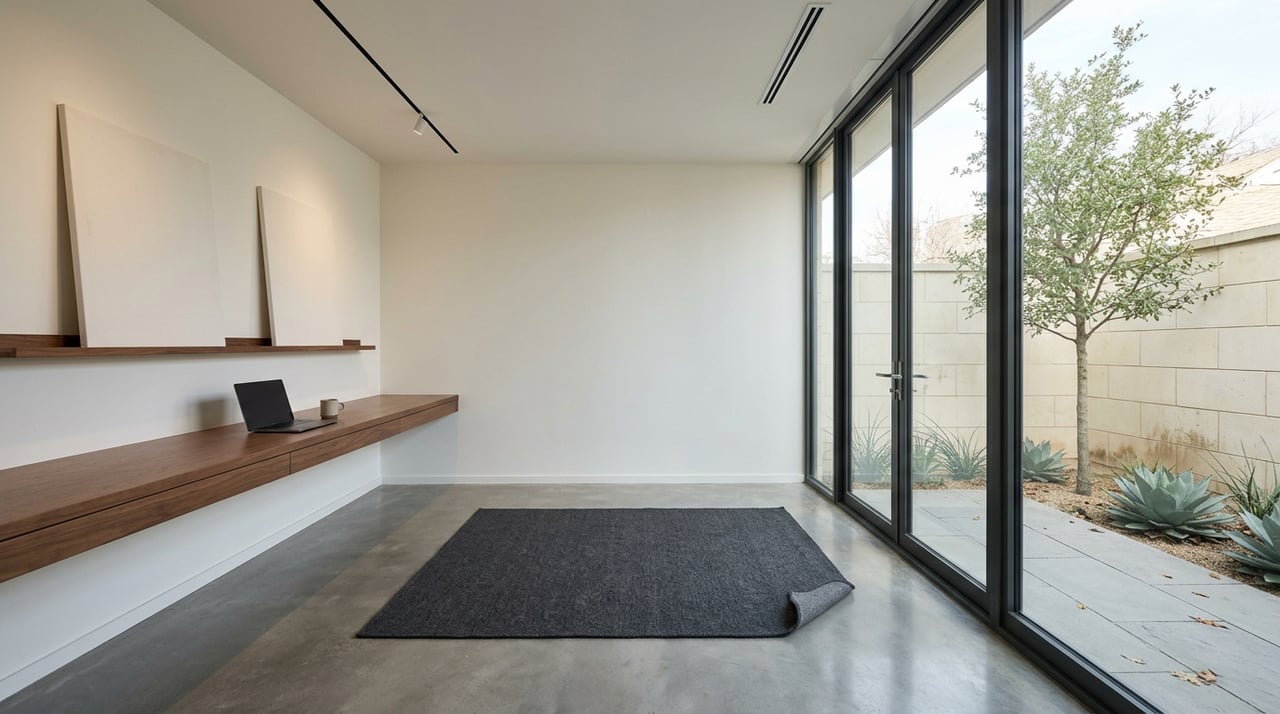
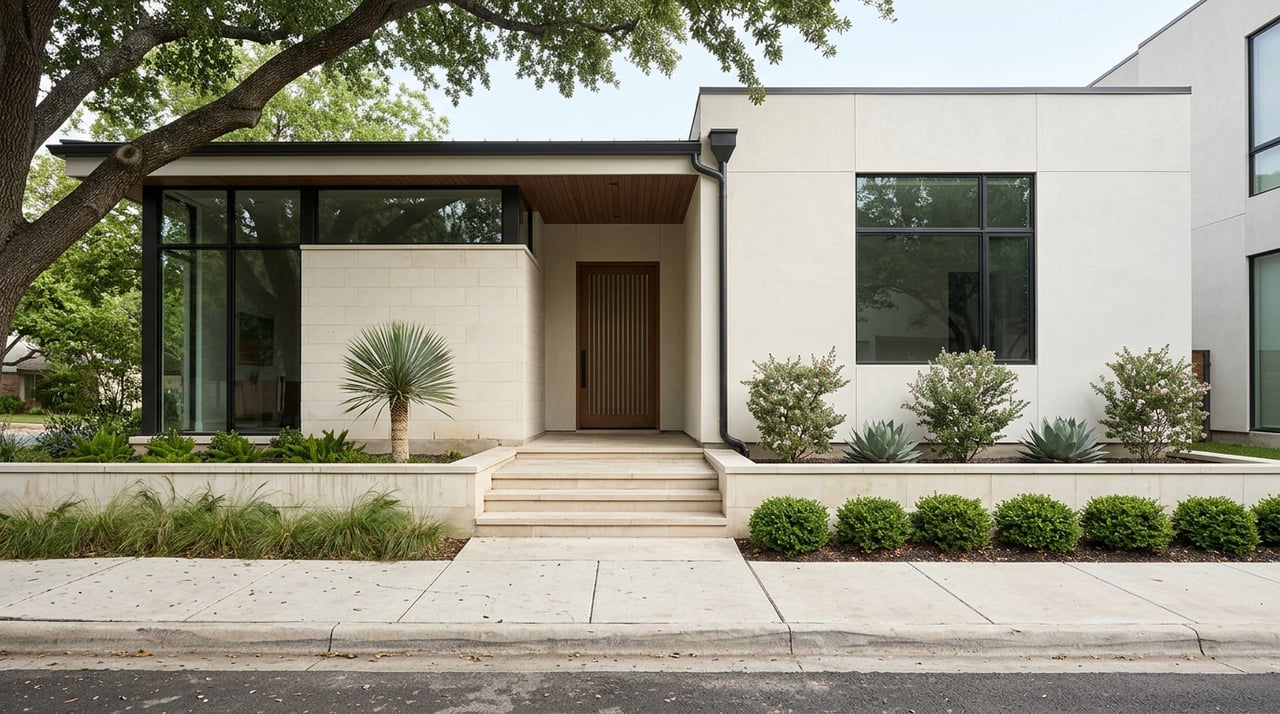
Low, horizontal massing with deep overhangs, exposed beams, and large panes of glass define this look. You’ll often see floor-to-ceiling windows, sliding glass walls, and clean rooflines with standing-seam metal accents. Natural stone and warm wood provide texture against smooth stucco.
Siting and outdoor flow
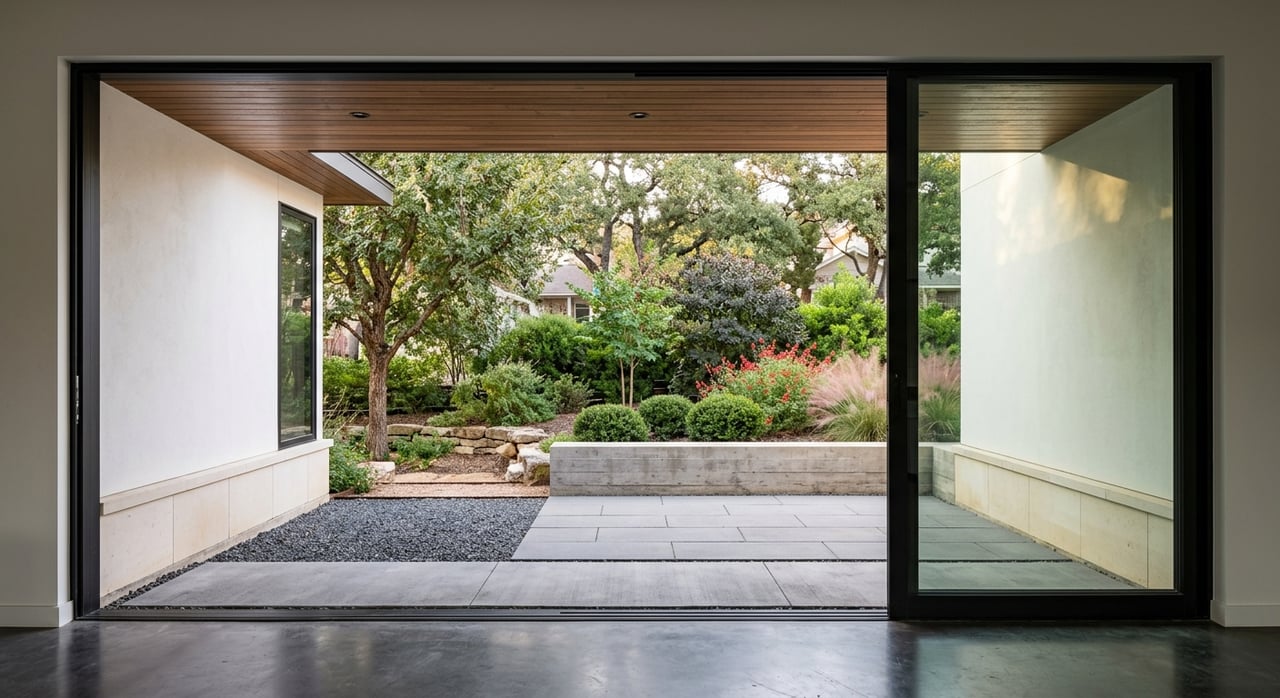
These homes are positioned to capture privacy or specific view corridors, often with covered terraces and linear or lap pools. Multiple outdoor “rooms” extend living space, and seamless thresholds invite the outdoors in.
Materials that perform
Expect limestone or local stone, stained cedar or reclaimed wood, high-performance glazing, and metal roofing. Each is chosen for durability and thermal control in North Texas.
Resale and maintenance
This style has high perceived luxury and strong appeal when finishes feel current. Plan for regular glass cleaning and attention to solar heat gain. Updating major finishes can be costly, but well-executed refreshes often resonate with design-focused buyers.
What to notice
- Look for low-E glazing and shading strategies on west exposures.
- Check the condition of wood accents and the detail where stone meets stucco.
- Confirm HVAC zoning and capacity for large open volumes.
Classic estates
Visual cues
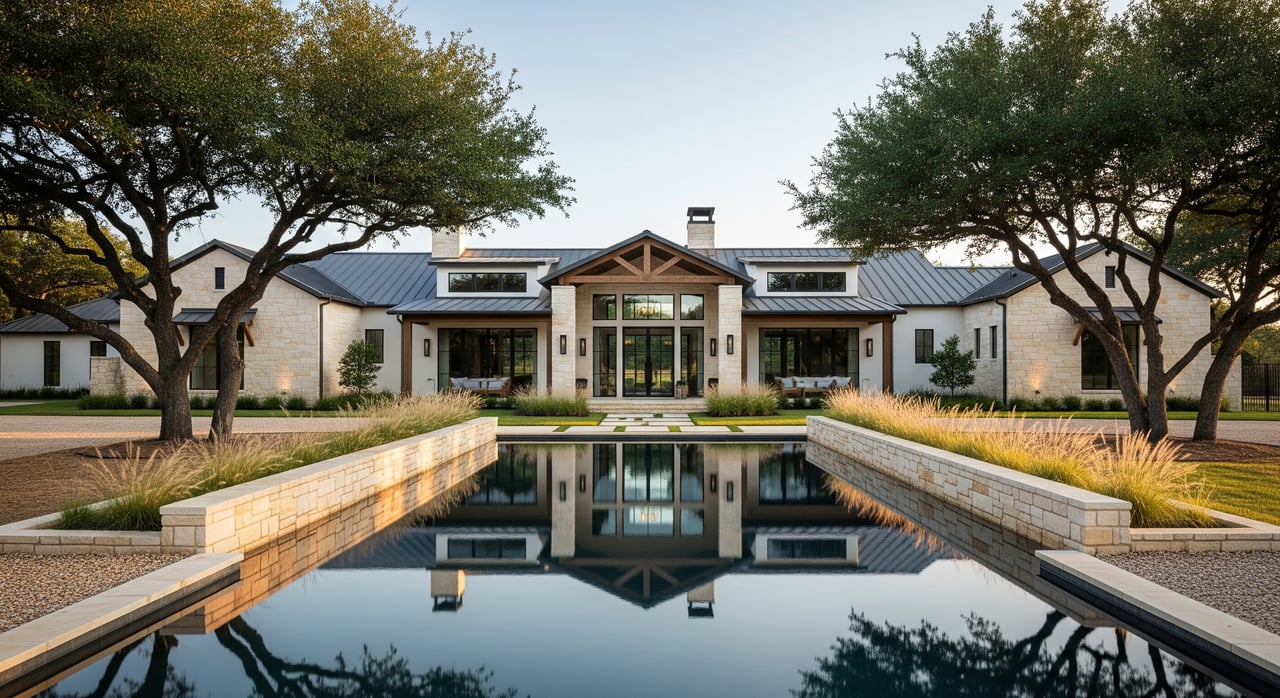
Symmetrical or balanced facades, multi-gabled roofs, grand entries or porte-cochères, and masonry with refined detailing are common. You may see multiple wings and formal stair halls.
Siting and outdoor flow
Deep setbacks, long private drives, and formal front landscapes give presence. Rear yards tend to be private with generous terraces, gardens, and sometimes separate guest or staff quarters.
Materials that perform
Brick or limestone walls, slate or composite roofing, tall wood doors, and wrought iron details project longevity. Scale and detailing signal custom craftsmanship.
Resale and maintenance
These homes read as timeless to many luxury buyers. Systems and roofs on older estates warrant careful inspection, and landscaping and mechanical upkeep can be significant due to scale.
What to notice
- Study the roof condition and flashing at gables and valleys.
- Review the age and service history of multi-zone HVAC.
- Confirm irrigation, drainage, and maintenance plans for large landscapes.
Mediterranean and Spanish eclectic
Visual cues
Stucco walls, clay or tile roofs, arched openings, loggias, and ornamental ironwork set the tone. Courtyards and textured finishes bring a warm, formal character.
Siting and outdoor flow
Inward-facing courtyards create privacy and shade, reducing street noise and heat. Outdoor kitchens and covered loggias encourage year-round gathering.
Materials that perform
Textured stucco, terracotta tile, wood beams, and decorative tile are typical. In our climate, stucco can perform well with proper detailing and maintenance.
Resale and maintenance
This style offers strong curb appeal for those who appreciate Old-World expression. Plan for regular stucco inspections to address hairline cracks and ensure weather-tight openings.
What to notice
- Inspect stucco at window heads and door thresholds.
- Look for weep screeds and sound flashing details.
- Evaluate courtyard drainage and finishes under covered loggias.
Transitional modern traditional
Visual cues
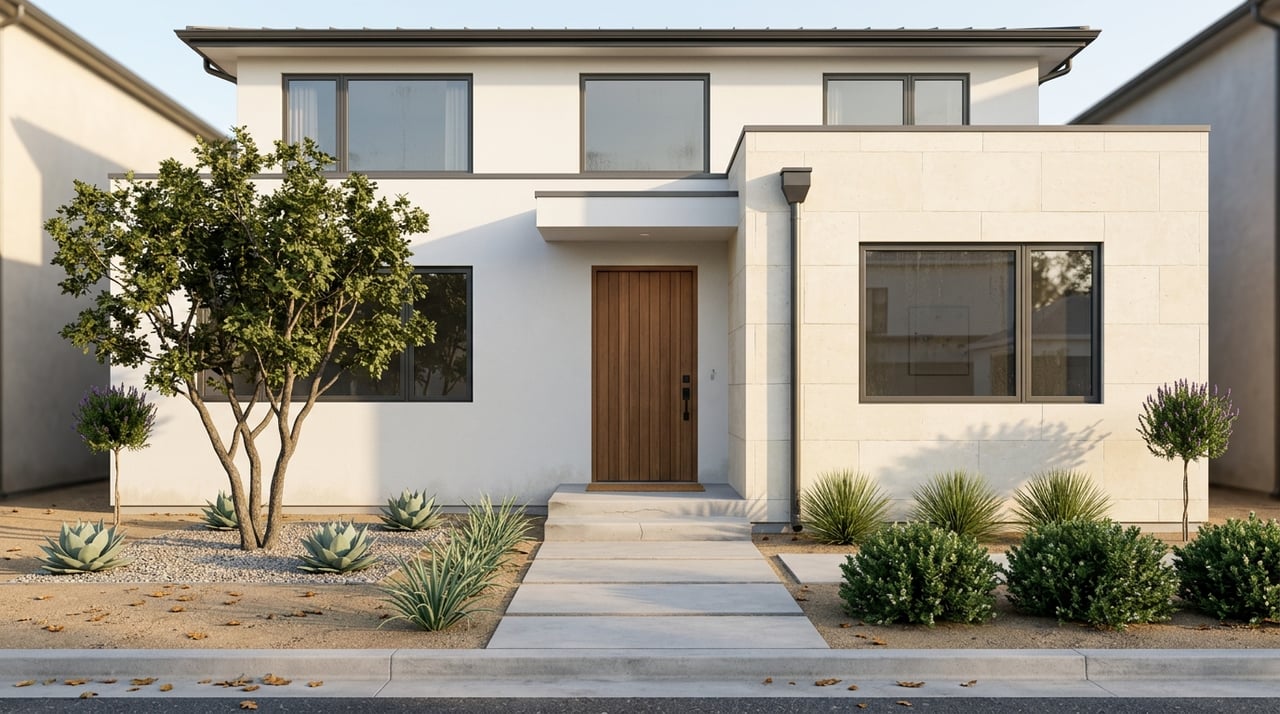
Traditional massing and materials pair with open interiors and simplified trim. You’ll see gables, brick or stone bases, generous glazing, and neutral palettes that feel fresh but familiar.
Siting and outdoor flow
Floor plans prioritize indoor-outdoor connection with covered patios and functional mudroom or utility zones. These layouts suit varied lifestyles.
Materials that perform
Brick or stone combined with fiber cement siding and metal accents create a durable, low-maintenance envelope.
Resale and maintenance
Transitional homes tend to be broadly marketable and easier to update in phases. They often achieve strong price per square foot thanks to a wide buyer pool.
What to notice
- Check window specs, especially on large openings.
- Review the quality of cabinet construction and millwork.
- Confirm infrastructure for outdoor kitchens and heaters.
Craftsman and Prairie influences
Visual cues
Low-pitched roofs, exposed rafter tails, tapered columns, and mixed materials highlight hand-crafted detail. Interiors may feature built-ins and natural woodwork.
Siting and outdoor flow
Comfortable porches and landscaped yards bring a human scale that contrasts with larger estates.
Materials that perform
Wood, stone, and shingles deliver warmth but may require more upkeep in humidity.
Resale and maintenance
This niche appeals to buyers who value artisanal character. Plan for routine wood maintenance and careful roof inspections.
What to notice
- Look for paint condition on wood trim and columns.
- Examine porch decking and transitions to stone or concrete.
- Confirm attic ventilation for low-slope roof areas.
Lot orientation and outdoor living
Why it affects price
Orientation determines views, privacy, and light quality. Rear exposures over greenbelts, golf corridors, or established landscapes often command premiums. West-facing glass can create afternoon heat, so deep overhangs, screens, and trellises become key.
Outdoor quality checklist
- Covered patios, loggias, or terraces sized for dining and lounging.
- Integrated infrastructure: gas, water, electrical, and data for TVs or heaters.
- Negative-edge or lap pools that align with sight lines from the great room.
- Seamless thresholds and level transitions between inside and out.
- Permanent landscaping and hardscape that feel intentional rather than temporary.
Materials and systems that matter
Exterior materials in Westlake skew durable and high-end. Limestone and natural stone offer lasting curb appeal if mortar and flashing are sound. Stucco requires regular checks for cracks and water management at openings. Standing-seam metal is long-lived when properly flashed and insulated.
Inside, high ceilings, continuous hardwood, custom millwork, and integrated technology signal a custom build. Kitchens with oversized islands, professional appliances, and custom cabinetry often drive perceived luxury more than exterior style. Mechanical systems like multi-zone HVAC, generators, smart controls, and pool equipment add convenience but also maintenance complexity.
Maintenance watchpoints
- Foundations: Expansive clay soils can cause slab movement. Check for wall cracks, sticky doors, or uneven floors.
- Roofing and flashing: Keep a close eye during storm seasons.
- Termites and pests: Confirm inspection history and any active contracts.
- Drainage: Ensure water flows away from the house, especially near pool decks.
- Glazing care: Plan for safe access to clean large panes and assess heat gain strategies.
Smart updates and staging tips
High-impact, lower cost
- Refresh with neutral paint and updated lighting.
- Edit furnishings to emphasize long sight lines and indoor-outdoor flow.
- Landscape clean-up and simple, layered plantings to frame the architecture.
Mid-range improvements
- Kitchen refresh: cabinet refacing, new hardware, updated counters.
- Primary bath updates that align with the home’s architectural language.
- Replace dated fixtures with contemporary but timeless options.
Major investments
- New glazing or large-format sliding walls for modern transitions.
- Outdoor kitchens, pavilions, and pools with full utilities.
- Structural changes for open plans. These can lift appeal but should align with local taste and may not return full cost.
Listing photography focus
- Show seamless thresholds from great room to terrace.
- Capture full elevations to explain rooflines and wings.
- Include close-ups of limestone, stucco finish, timber, or metal seams to convey quality.
- Time images to reveal morning light or sunset glow, depending on orientation.
Due diligence checklist
For buyers
Verify lot size, setbacks, and any easements with county records and plats.
Ask about HOA or architectural review requirements for additions.
Request foundation reports or repair history.
Document ages and service records for HVAC, roof, water heaters, pool systems, and septic if present.
Confirm glazing specs on large windows, including low-E ratings.
Review drainage and grading plans for effective water management.
Ask about prior insurance claims, including wind, hail, or water.
For sellers
- Prepare service histories, manuals, and warranties for major systems.
- Consider a pre-listing inspection of slab, roof, pest, and pool equipment to streamline disclosures.
- Stage outdoor rooms to demonstrate layout and show gas, water, and lighting infrastructure.
- Create a materials and finishes sheet that highlights custom features and systems.
Working with a curator-level advisor
In Westlake’s luxury market, architecture, materials, orientation, and outdoor living each shape how buyers perceive value. A thoughtful plan that respects the home’s stylistic language and the realities of our climate will help you buy with confidence or sell with authority. If you want a discreet, design-forward strategy tailored to your property, connect with Michael Reisor for a private consultation.
FAQs
Which Westlake styles hold value best?
- Transitional and classic estates tend to draw broad luxury demand, while Hill Country modern and contemporary homes can command premiums with a narrower but design-focused buyer pool.
Are glass-heavy modern homes costly to run?
- Large glazing can increase cooling load in summer. Performance depends on low-E specs, shading, and HVAC zoning. Deep overhangs and smart orientation reduce heat gain.
Will a modern home be harder to resell?
- Contemporary homes attract buyers who value clean lines and indoor-outdoor flow. In Westlake, they resell well when finishes are current and glazing performance is addressed.
What outdoor features add the most value?
- Covered loggias, outdoor kitchens with full utilities, fireplaces, and well-integrated pools extend living space and typically increase perceived value in warm months.
How does lot orientation affect price?
- Privacy, view corridors, and light quality influence appeal. Premiums often follow private rear exposures and managed west-facing glass with proper shading.
What inspections are essential in Westlake?
- Focus on slab foundations, roofing and flashing, pest inspections, drainage, glazing performance, and pool systems. Document system ages and service histories before you commit.