Torn between a glass-walled condo in the sky and a classic Central Austin home? You are not alone. The choice shapes your daily rhythm, monthly costs, and long-term return. In this guide, you will see how downtown condos compare to nearby single-family homes on cost, lifestyle, and resale so you can choose with confidence. Let’s dive in.
Downtown living at a glance
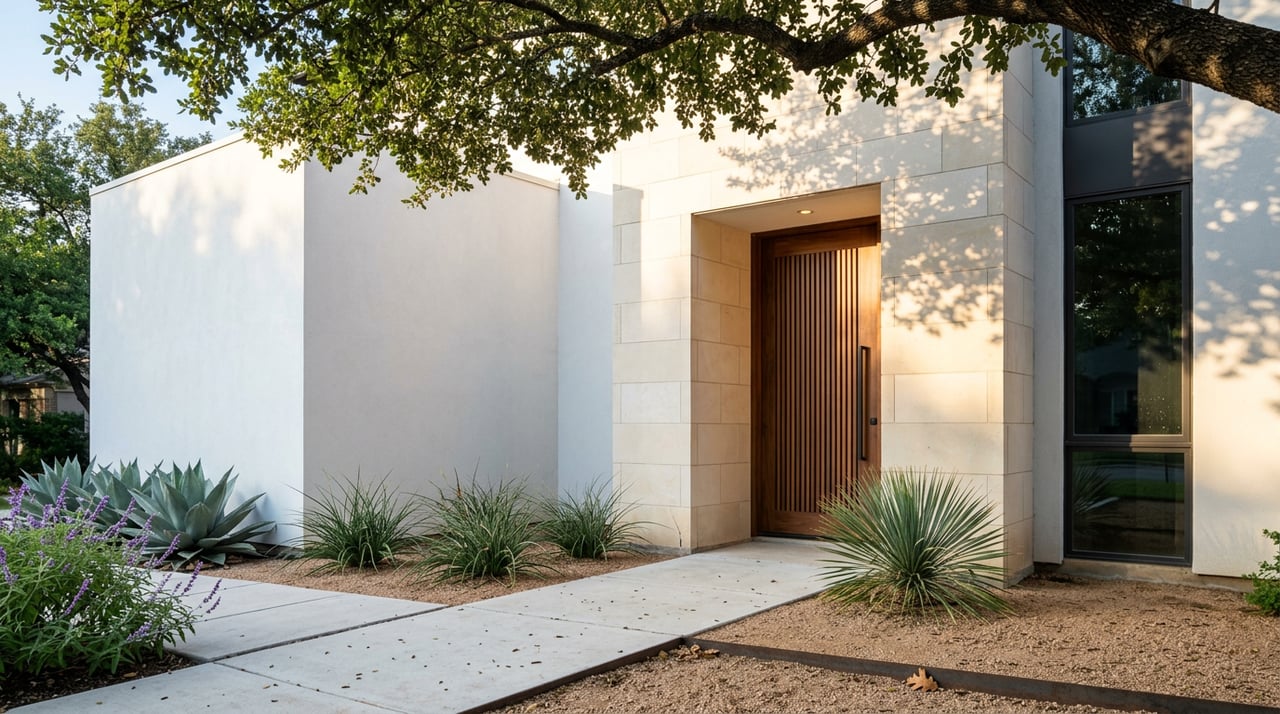
Downtown Austin is a vertical neighborhood of mid- and high-rise condos with a few attached townhomes sprinkled in. Just beyond the core, single-family options cluster in Central Austin areas like Clarksville, Old West Austin, Bouldin Creek, Travis Heights, Hyde Park, Rosedale, and parts of East Austin. These homes range from preserved bungalows to new infill builds on smaller lots.
Inventory and pricing move differently across these segments. Downtown towers often carry more active condo inventory with a mix of boutique and luxury product, while Central single-family homes usually see tighter supply and strong owner-occupier demand. Recent years brought rapid appreciation followed by cooling. For current median prices, days on market, and inventory by property type, review the latest Austin Board of REALTORS market reports.
Cost breakdown: condo vs home
Every purchase is unique, but you can compare apples to apples by lining up the same cost buckets. Use the formulas below to estimate your monthly total.
Single-family monthly formula
- Mortgage payment: based on loan amount, interest rate, and term.
- Property tax: (Purchase price × effective tax rate) ÷ 12. Check the rate using the Travis Central Appraisal District.
- Insurance: annual HO-3 or HO-5 premium ÷ 12.
- Utilities: electricity, water, wastewater, trash ÷ 12. See Austin Energy residential rates.
- Maintenance reserve: 1% to 3% of home value per year ÷ 12. Older homes tend to be higher.
- Monthly total: add all the above.
Downtown condo monthly formula
- Mortgage payment: based on loan amount, interest rate, and term.
- Property tax: (Purchase price × effective tax rate) ÷ 12.
- HOA dues: monthly association fee.
- Insurance: HO-6 condo policy ÷ 12. Master policy for the building is usually paid by the HOA.
- Utilities: often lower due to shared walls and smaller footprint. Some buildings include water and trash in dues.
- Maintenance/reserves: typically embedded in HOA dues, but review the reserve study and recent assessments.
- Monthly total: add all the above.
Hypothetical examples
These illustrations are for structure only. Plug in your actual numbers to compare.
- Hypothetical downtown condo: $600,000 purchase price; HOA $800 per month; effective tax rate 2.0%; HO-6 about $50 per month; utilities about $120 per month. Property tax estimate is roughly $1,000 per month at a 2.0% effective rate. Add your mortgage payment to see your total.
- Hypothetical single-family home: $900,000 purchase price; no HOA; effective tax rate 2.0%; homeowner insurance about $150 per month; utilities about $250 per month; maintenance reserve $400 per month. Property tax estimate is roughly $1,500 per month. Add your mortgage payment to see your total.
What often swings the budget
- HOA dues: Downtown amenity-rich towers may exceed $1,000 to $1,500 per month, while boutique buildings can be far lower. That fee covers shared services and can offset some maintenance.
- Maintenance: Houses carry yard care, exterior repairs, roof, HVAC, and plumbing. Budget higher percentages for older homes.
- Insurance and flood: Condos use HO-6 plus a building master policy. Houses rely on broader HO-3 or HO-5 coverage. Flood insurance is separate and may be required near creeks or the lake. Check the FEMA Flood Map Service Center and the City’s floodplain management.
- Utilities: Condos can be more efficient; some dues include water and trash. Houses use more energy due to larger envelopes and outdoor systems.
Lifestyle tradeoffs to consider
Privacy and noise
- Condos share walls and floors. Ask about concrete versus wood construction and any soundproofing upgrades.
- Single-family homes offer more separation and control. You shape your acoustic environment and exterior lighting.
Space and flexibility
- Condos deliver optimized plans, high ceilings, and skyline views, but storage may be limited. Ask about on-floor storage or deeded storage rooms.
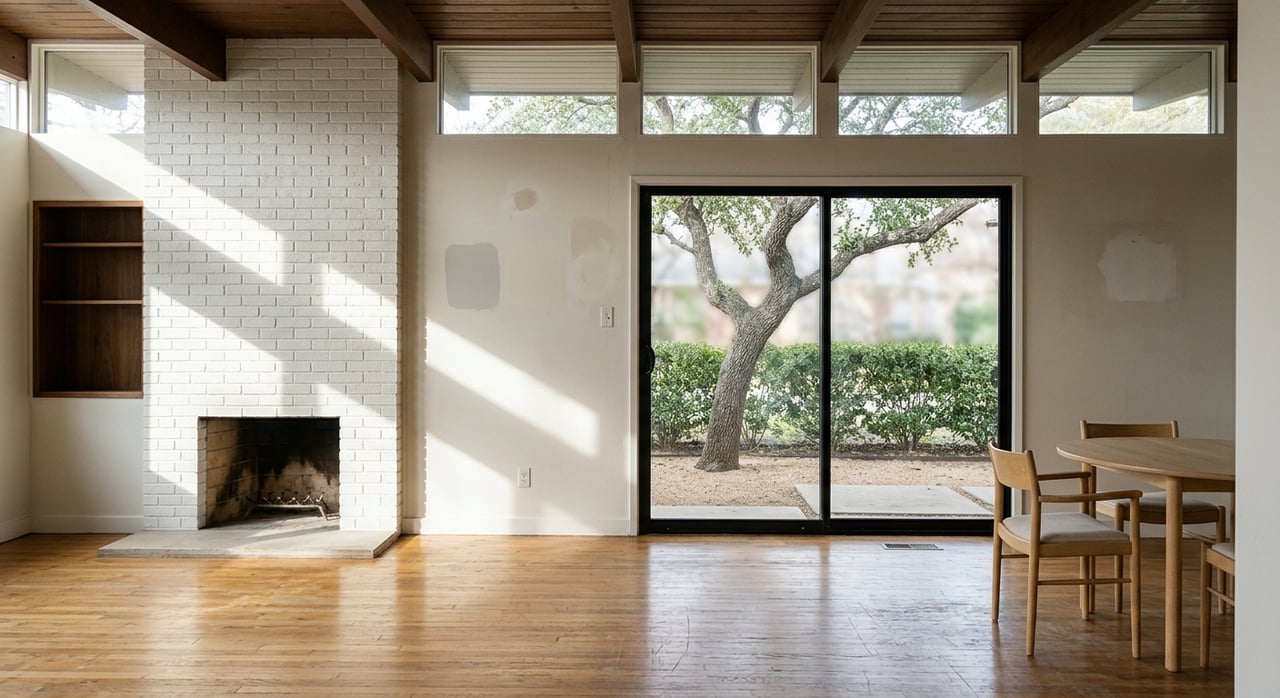
- Single-family homes add garages, attics, and yards. Many Central lots allow accessory dwelling units subject to zoning.
Amenities and services
- Condo owners enjoy pooled amenities like fitness centers, pools, concierge, package rooms, and controlled access. Convenience is high and costs are predictable through dues.
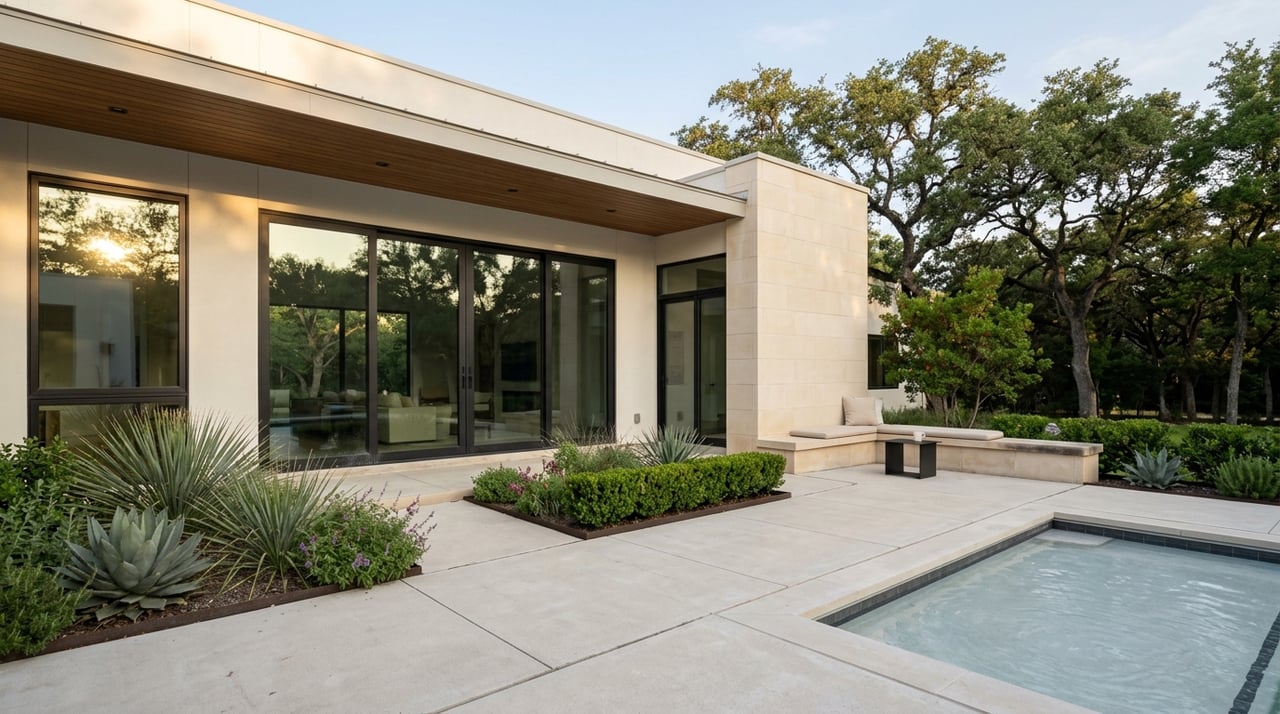
- Homeowners create and maintain their own amenities. A private pool or garden adds enjoyment and ongoing expense.
Parking and transportation
- Many downtown condos include assigned garage parking. Guest parking and street rules vary by building and block. Walkability is a core strength, with easy access to the lake, dining, and music venues. Explore Downtown’s walkability scores via Walk Score and options from CapMetro.
- Central homes usually include a driveway or garage. Street permit zones can shape guest parking. Commutes to major employers can be similar to condos depending on location.
Pets, kids, and outdoor life
- Condos may cap pet count, breed, or weight. Private outdoor space is limited, but you are close to parks and the Hike and Bike Trail.
- Homes offer private outdoor zones for gardening, play, or additions, subject to code and overlays.
Maintenance effort and control
- Condo HOAs handle exterior maintenance and common areas. You trade day-to-day effort for less control, so review management quality and reserve health.
- Homeowners coordinate contractors and budgets. You set standards and timelines, which can mean more time and variability.
Resale, financing, and rules
Resale patterns
Single-family homes in Central Austin often appreciate faster and sell to a broader buyer pool due to land value and scarcity. Downtown condos can be more building-specific. Luxury towers may see longer days on market when new supply hits. Use ABoR market reports to compare current inventory and velocity by property type.
Financing differences
Lenders underwrite condos at both the borrower and building level. Confirm project eligibility with Fannie Mae, Freddie Mac, or applicable programs, and be ready to supply HOA documents, insurance certificates, and reserve studies. Review Fannie Mae’s project standards if you plan to use conventional financing.
Rentals and short-term rentals
Many downtown buildings limit rentals or require minimum lease terms. Short-term rentals in Austin require registration and must follow local rules. Start with the City’s Short-Term Rental Licensing page and confirm any HOA restrictions in the CC&Rs.
Regulatory and environmental
Downtown and nearby neighborhoods include pockets of flood risk. Confirm any floodplain overlays with the City and your insurance advisor using FEMA flood maps. Older Central homes may need electrical, plumbing, or foundation updates. Permitting and any historic overlays can influence timelines and costs.
Due diligence checklists
For condo buyers
- Review resale or estoppel certificates, HOA budget, reserve study, bylaws, rental rules, and at least 12 months of meeting minutes.
- Confirm master insurance coverage, building deductibles, and unit owner responsibilities.
- Ask about past and pending special assessments and upcoming capital projects.
- Check owner-occupancy versus investor ratios and any rental caps.
- Verify parking rights, storage assignments, and guest parking rules.
- Investigate pending or recent litigation involving the HOA or developer.
- Confirm rules on pets, renovations, and subleasing.
For single-family buyers near downtown
- Inspect roof, HVAC, foundation, drainage, and any deferred maintenance. Order specialty inspections if needed.
- Check zoning, overlays, and ADU rules for future plans or past work.
- Confirm floodplain status and ask about any prior drainage issues.
- Review nearby public projects or development that could affect traffic, noise, or value.
How to decide: a simple framework
- Prioritize daily life: If you value lock-and-leave living, amenities, and walkability, a condo may fit. If you want privacy, room to grow, and outdoor space, a house is often better.
- Compare true monthly cost: Add every line item, not just mortgage and taxes. Put HOA dues and maintenance reserves side by side.
- Think five to ten years: Consider resale liquidity, likely capital improvements, and your need for flexibility in renovations or rentals.
- Weigh your commute and routine: Map your work, school, and leisure patterns against parking and transit access.
Ready to pressure-test numbers for specific buildings and blocks? Reach out for a private, side-by-side model of your top two options and a curated tour that focuses on construction quality and long-term value. Connect with Michael Reisor to Request a Private Valuation.
FAQs
What costs do I include when comparing a downtown Austin condo to a Central Austin house?
- Include mortgage, property taxes, HOA dues if any, insurance, utilities, maintenance reserves, parking costs, and any special assessments.
How do HOA condo dues impact my monthly budget in Austin?
- Dues can cover building insurance, maintenance, amenities, and sometimes utilities. They can reduce unpredictable repairs but add a fixed monthly line item.
Do downtown Austin condos appreciate as fast as single-family homes?
- Historically, Central Austin single-family homes are more liquid and appreciate faster; condos vary by building, management, reserves, and supply in the market.
What should I review in a condo’s documents before buying?
- Study the HOA budget, reserve study, bylaws, rental rules, meeting minutes, insurance certificate, litigation status, and any history of special assessments.
Are short-term rentals allowed in downtown Austin condos?
- The City requires STR licensing, and many buildings prohibit or restrict STRs. Verify City rules and your building’s CC&Rs before you buy.
How do I check flood risk for a property near downtown Austin?
- Search the address in FEMA’s Flood Map Service Center and review City of Austin floodplain overlays, then confirm insurance requirements with your lender.