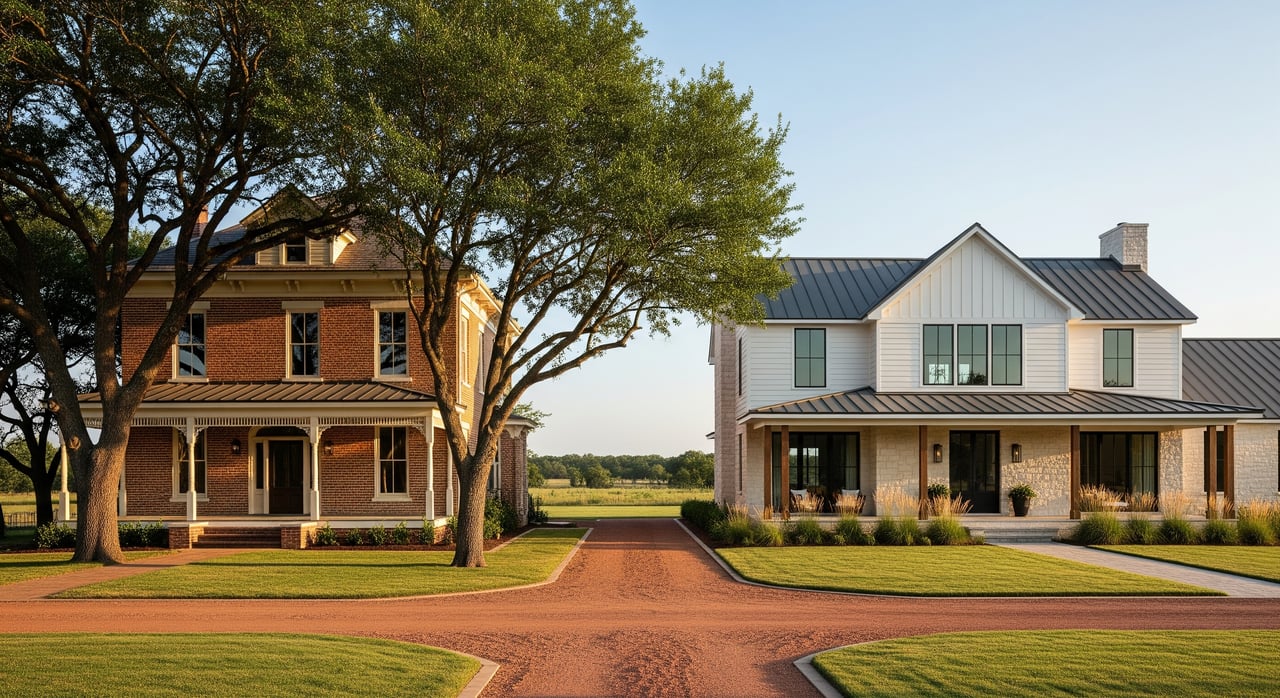
Are you picturing a sunlit front porch under mature trees or a crisp, turnkey home with every modern comfort? In Clarksville, Red River County, you can choose between the charm of history and the ease of new construction. Each path delivers a different kind of value, and the right fit depends on how you live, what you want to spend now versus later, and how you think about resale. This guide breaks down the tradeoffs so you can buy with clarity and confidence. Let’s dive in.
Clarksville context that shapes your choice
Clarksville is a small, historic county seat with a compact downtown and older neighborhoods that many buyers find appealing. Walkable streets, period architecture, and a traditional town core give the area its character. If you value a sense of place and easy access to shops and services, the historic fabric may be a major draw.
Before you fall in love with a specific property, plan these local checks:
- Red River County Appraisal District for year built, lot size, and property records.
- Red River County and City of Clarksville permitting offices for permit history, code requirements, and certificates of occupancy.
- Texas Historical Commission and any local preservation body to confirm designation status and exterior change review rules.
- FEMA flood maps and county floodplain data, especially for parcels near the Red River.
- Local utility providers to confirm service capacity, meter types, and any known service issues.
Documenting these early will help you avoid surprises and support pricing and negotiations.
What you will see in Clarksville homes
Historic character and common styles
In older Clarksville neighborhoods, you are likely to see Folk Victorian, Queen Anne details, simple farmhouse forms, and early Craftsman bungalows. Many homes feature original woodwork, high ceilings, wide front porches, period windows, masonry chimneys, and interior plaster or beadboard. These elements carry both emotional appeal and long-term value because they are difficult and costly to replicate today.
Expect compartmentalized floorplans rather than open-concept living. If you want to combine rooms or reconfigure spaces, budget for structural work. Materials such as wood framing, plaster walls, and older wiring and plumbing add charm, but they often require specialized trades to repair correctly.
New construction in a small-town setting
New builds in small Texas towns can deliver modern systems, code-level insulation and air sealing, contemporary floorplans, and builder warranties. Labor and land costs are often lower than in metro areas, but do not forget site work, utility connections, driveways, and landscaping. Those items can add several thousand dollars to your total and are not always included in the base price.
Cost comparison: upfront and ongoing
Renovation budgets for historic homes
Set realistic expectations for refreshing or restoring an older home:
- Cosmetic refresh like paint, flooring, and minor kitchen or bath updates: roughly $5,000 to $25,000.
- Systems modernization such as roof, HVAC, electrical, and plumbing: often $15,000 to $75,000 depending on scope.
- Roof replacement: commonly $5,000 to $20,000 based on size and material.
- HVAC replacement: about $4,000 to $12,000, with higher costs if switching to a heat pump.
- Electrical upgrade or full rewire: around $6,000 to $25,000, especially if you are removing old knob-and-tube or cloth wiring.
- Plumbing repipe in copper or PEX: about $3,000 to $15,000.
- Major renovation or structural rework, including foundations, structural beams, wall changes, and full kitchen or bath remodels: $50,000 to $250,000 or more.
- Period-correct restoration using traditional methods and craftsmen often runs 20 to 50 percent higher than standard rehab.
Add a contingency of 10 to 20 percent for unknowns such as hidden rot, crawlspace issues, or hazardous materials. This reserve helps protect your timeline and budget.
New-build costs and what they include
Per-square-foot costs for new construction vary by finish level and builder, but small-town labor and land can be more favorable than in larger cities. Plan for extras that are easy to overlook, including landscaping, driveways, and utility connection fees. New construction usually includes a builder warranty that can reduce near-term maintenance costs, but it will not cover wear-and-tear items outside the warranty scope.
Insurance and financing considerations
Older homes may carry higher insurance premiums or specific underwriting conditions if they have aging roofs, older wiring, or are located in a flood zone. Get quotes early in your process. For financing, you can consider FHA 203(k) or Fannie Mae HomeStyle Renovation loans for improvements, or a construction or construction-to-permanent loan for a new build. Historic designation in Texas rarely provides direct homeowner mortgage incentives, though grants or loans may exist for income-producing properties through preservation programs. Verify details with the Texas Historical Commission and local offices.
Energy and comfort in Northeast Texas
Clarksville’s humid subtropical climate means hot, humid summers and mild winters. Cooling drives energy use for most households. New homes built to recent codes, or to targets like ENERGY STAR or HERS, are generally tighter and better insulated, and they use modern HVAC systems. Compared with an uninsulated or leaky older home, a code-level new build can be about 30 to 50 percent more efficient, though your actual savings depend on the baseline condition of the older home.
High-impact upgrades for historic homes
You can make a historic home more comfortable and efficient without stripping its character. Prioritize these measures:
- Attic insulation and air sealing. Sealing penetrations and adding insulation to the attic floor is a high-return step. Typical cost: about $1,500 to $5,000.
- Duct sealing and HVAC tune-up or replacement. Tight ducts and a right-sized, efficient system make a large difference in a hot climate. Full HVAC replacement typically costs $4,000 to $12,000.
- Air sealing at sill plates, rim joists, and exterior penetrations. This is a cost-effective way to reduce drafts. Often $1,000 to $5,000.
- High-performance storm windows or careful restoration with weatherstripping. These preserve historic windows while improving comfort. Full replacement windows often run $500 to $1,200 or more per unit, which is why storms or restoration can be attractive.
- Switching to a high-efficiency heat pump. Heat pumps provide efficient cooling and heating across seasons and can be an excellent fit for mild winters.
Consider a professional energy audit or a RESNET HERS rating to create a baseline and help prioritize upgrades. Federal tax credits or utility rebates may be available for certain improvements. Local electric co-ops sometimes offer programs, so check with your provider.
Resale and long-term value
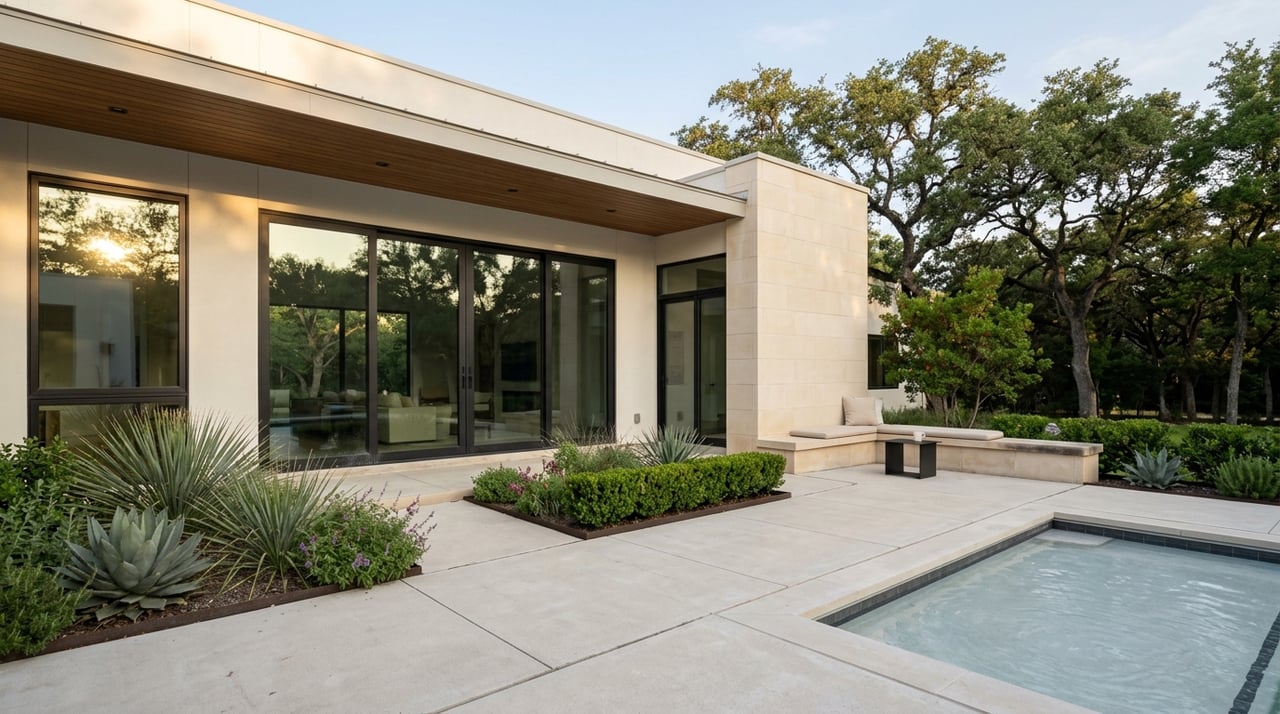
In Clarksville, location often leads value. Proximity to downtown services, lot depth, and mature landscaping can outweigh a home’s age for many buyers. Unique architectural character and original features can boost desirability and support resilient values in a market with limited new-build supply.
New construction tends to deliver lower near-term maintenance costs and layouts that suit contemporary life. That can expand your buyer pool when you sell, especially for those who want turnkey living. Historic homes can command premiums when they are well maintained and sensitively updated. The key is smart stewardship. Deferred maintenance and out-of-date systems can narrow your buyer pool and depress pricing.
If a property is in a historic district or is individually designated, exterior changes may require review and approval. This helps protect the streetscape, but it can add time and cost when planning additions or repairs. There is no broad assumption of tax abatements for private residences in Texas. Always verify local incentives and confirm what rules apply to your specific address.
Lifestyle tradeoffs to weigh
- Walkability and character. Historic neighborhoods often offer shorter distances to shops and services. You may also see smaller yards, more on-street parking, and less separation between homes.
- Space and privacy. New builds on infill or the outskirts may deliver larger lots, garages, and more separation, though they can be farther from the town core.
- Floorplan and function. Older homes can feel segmented. If you need an open kitchen or a larger primary suite, plan for structural modifications or a targeted addition.
- Maintenance and pace. Historic homes reward ongoing care. New builds concentrate costs upfront and often reduce surprises in the first years.
Due diligence checklist in Clarksville
For historic homes
- Structural and foundation review, including pier-and-beam versus slab and any signs of settling.
- Roof condition and any interior water stains.
- Pest inspection for termites and other wood-destroying insects.
- Electrical system assessment for older wiring types and panel capacity.
- Plumbing condition, including galvanized lines and sewer lateral where applicable.
- Screen for hazardous materials such as lead paint or asbestos.
- Moisture and drainage at the foundation, grading, and crawlspace ventilation.
- Historic designation status and any exterior approval requirements.
- Estimates for period-sensitive repairs, for example, masonry repointing or wood siding restoration.
For new construction
- Builder warranty terms, duration, and what is covered by the builder versus subcontractors.
- Final code compliance, certificate of occupancy, and documentation for HVAC, insulation, and similar systems.
- Site grading and drainage, along with completion of landscaping and driveways.
- Verification of as-built specs, window and door ratings, and any energy performance claims.
Local records to assemble
- Red River County Appraisal District records, recent tax history, and year built.
- City and county permit history for any additions or major system changes.
- Texas Historical Commission or local commission documentation on designation and exterior review rules.
- FEMA flood maps and any elevation certificates or floodplain documentation.
- Utility provider information, including rate programs and any available rebates.
- Preliminary insurance quotes, especially for older homes and properties near the Red River.
Which is right for you?
Choose a historic home if you are drawn to character and walkability, and you are comfortable planning upgrades over time. With thoughtful improvements and steady maintenance, you can enjoy the best of old-world materials with modern comfort. The result often feels personal and enduring.
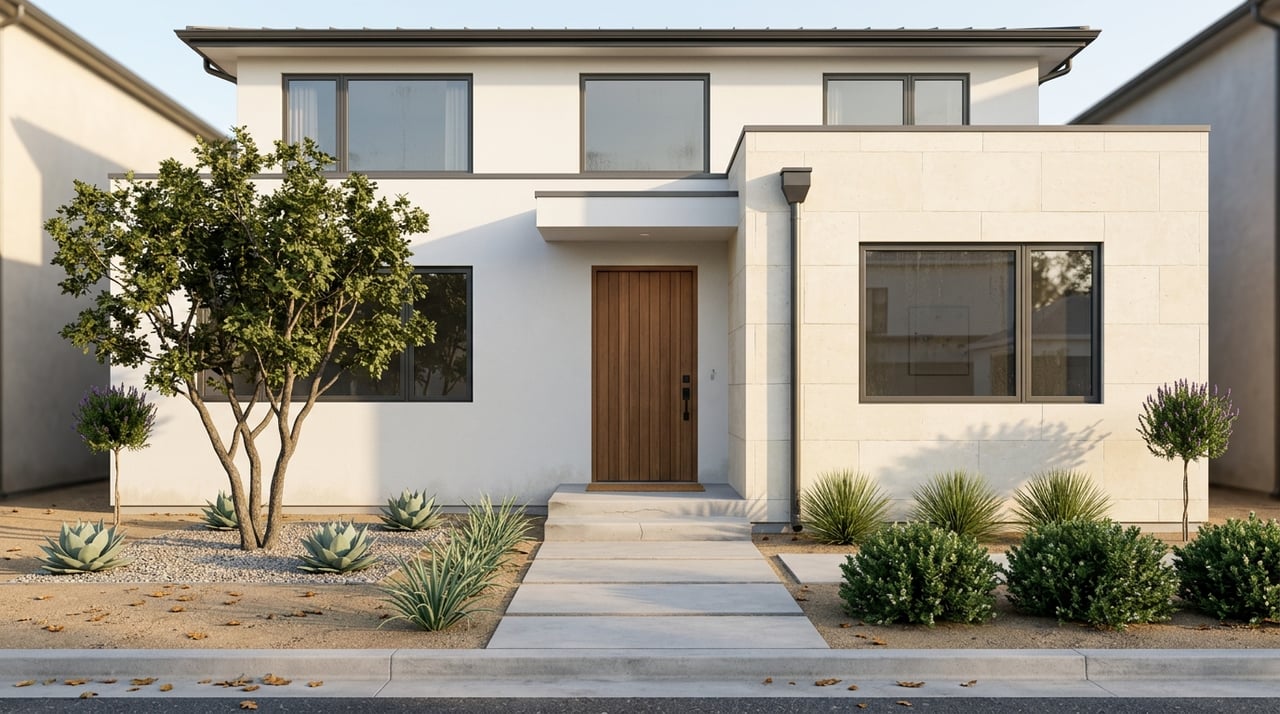
Choose new construction if you want a clean-lined, efficient home with fewer near-term repairs. You will enjoy modern layouts, better energy performance from day one, and a warranty that can simplify ownership in the first years.
If you are undecided, look for a hybrid: a well-restored historic property with updated systems, or a newer home near the town core that balances convenience with performance. Either way, align your choice with how you live today and how you plan to hold the property.
Ready to compare specific properties, review comps, or map out a renovation versus new-build budget? For a confidential, design-forward perspective on value and presentation, connect with Michael Reisor. We can help you weigh the tradeoffs and move with confidence.
FAQs
How much should I budget for unexpected repairs in a historic Clarksville home?
- Plan at least a 10 to 20 percent contingency on top of your renovation estimate to cover hidden issues like rot, wiring, or crawlspace work.
Does historic designation in Clarksville make renovations harder?
- Exterior changes in designated districts often require review, while interior work is usually unrestricted; confirm rules with the Texas Historical Commission and local offices.
Are renovated historic homes as efficient as new construction in East Texas?
- New builds typically outperform older homes by about 30 to 50 percent if the older home lacks insulation and air sealing; targeted upgrades can close the gap.
What financing is available for major updates on older homes?
- Consider FHA 203(k) or Fannie Mae HomeStyle Renovation loans; for new construction, look at construction or construction-to-permanent loans.
How does walkability in Clarksville affect resale value?
- Walkability often increases desirability and can support stronger resale, especially for buyers who want close-in access to services and downtown life.